Showing posts with label Middle East. Show all posts

Friday, November 30, 2012

MUJADDARA BURGHUL (LENTIL AND BULGUR PILAF) - PILAF AUX LENTILLES ET AU BOULGOUR & AN EDIBLE MOSAIC BOOK REVIEW

Once you get a spice in your home, you have it forever. Women never throw out spices. The Egyptians were buried with their spices. I know which one I'm taking with me when I go.
- Erma Bombeck

There is something incredibly sumptuous about the food of the Middle East. It is steeped in history and mystery, teasing the palate with exotic and tantalizing flavors. Delicate and spicy, aromatic and fragrant, scented and syrupy-these are some of the words that come to mind. The tastes are rich and pleasing, the images romantic, airy and ancient. Rose petals and orange blossom, tamarind and dates, figs and apricots, mulberries and melons, saffron and orchid root, almonds and pistachios, olives, coriander and cumin-a myriad of flavors and dishes that are intricately entwined in the fascinating history of this vast and exciting region.
- Ghillie Basan, The Middle Eastern Kitchen: a Book of Essential Ingredients with over 150 Authentic Recipes
Spices and herbs are, and have always been an integral part of my cuisine. I intensely treasure them and cannot imagine living without those precious and irreplaceable condiments which not only enhance, complement and balance the flavors of a dish, but also benefit our health (they can be used as natural preventive medecine). A marvelous source of gratification and well-being!

It is one of the main reasons why I am irrevocably attracted to the glorious gastronomy of the countries situated at the crossroads of the Mediterranean basin and the Arabian hinterland. If you want to make my eyes twinkle, my mouth salivate and receive my total attention, then I recommend you to pronounce those three simple words: "Middle Eastern Food" and I'll come running like a worshipful dog on amphetamine.


In my opinion, there is nothing quite as varied, refined, intriguing, dazzling, exhilarating, dreamlike and worthy of "The Thousand and One Nights" than the gourmet fares served at Lebanese (my favorite), Iranian, Palestinian, Syrian, Israeli, Jordanian, Omani, Kuwaiti, Iraqi, Quatari, Saudi Arabian, Yemeni or Emirati tables.
 
8165853872_6e49cbb149_z
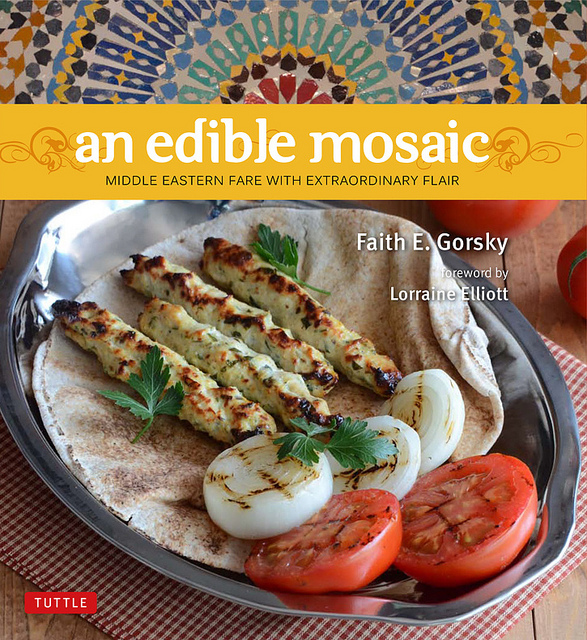
So, you can imagine my excitement when the talented Faith Gorsky of "An Edible Mosaic" (her headquarters are in upstate New York) kindly proposed to send me her cookbook "An Edible Mosaic - Middle Eastern Fare With Extraordinary Flair". There was no way I was going to decline her generous offer and pass the opportunity of reviewing this wonderful publication entirely written and illustrated a web friend and colleague whom I respect and have been following for the last three years (I first came across her site in 2009, if my memory does not fail me...).

Having been born and raised in America, nothing predestined this blogger to become a specialist on the subject of Middle Eastern food. As a matter of fact, before she tied the knot with her Syrian husband in the Middle East and lived there for the first six months of her matrimony, she barely had any knowledge of the specialities prepared by the people populating this part of the Arab world. Everything changed the day Faith married her life companion; she discovered and embraced a whole new culture.

 
During her stay in Damascus (the capital of Syria), she had the opportunity to explore and experience firsthand the magic of the cuisine of this region of the globe and even more so when her mother-in-law, who happens to be a master cook, took her under her wing and gave her a thorough course in Middle Eastern cooking that resulted in the creation of "An Edible Mosaic".

Over the past six years, this passionate young lady has visited the Middle East four different times, each trip contributing to deepening her love as well as expanding her enthusiasm for the culinary traditions and civilization of this fascinating land of contrasts. As a result, Faith's travels helped enrich her increasingly successful blog and build a devoted readership, thus ultimately leading her to writing the book I have the honor of introducing to you this Friday.

The Ultimate Communal Meal "Generally, one could say that Near and Middle Eastern and North African cooking and nutrition are healthy. As in other Mediterranean gastronomies, meat is rare and vegetables often used. The religious purity rules also have consequences for the kitchen, which is important for the health of the people.
- Peter Heine, Food Culture in the Near East, Middle East, and North Africa 
With its ten chapters (Basic Recipes, Breads and Pies, Salads, Vegetables and Rice Side Dishes, Appetizers and Light Meals, Beans and Lentils, Chicken and Seafood, Beef and Lamb, Desserts & Drinks), four useful sections (Cooking Tips and Techniques, Basic Cooking Tools, Buying the Right Middle Eastern Ingredients and Middle Eastern Grocery Stores) and many (over a hundred) easily reproducible, inspiring, meticulously detailed, carnivore as well as vegetarian/vegan-friendly, authentic and elegant recipes, "An Edible Mosaic - Middle Eastern Fare With Extraordinary Flair" will rejoice both beginner and experienced cooks. Each entry, side dish, main or dessert presented within the 144 pages of Faith's manual will make your mouth water and nudge you into the kitchen to prepare scrumptious delicacies that are vibrant, remarkably toothsome and nutritionally harmonious. 

Since I am somewhat knowledgeable about Middle Eastern cuisine and already possess a certain number of bestsellers on the topic, I had my doubts on whether or not this cookbook would help me broaden my gastronomic horizon. Well, I am pleased to inform you that I was not deceived at all by it.

"An Edible Mosaic - Middle Eastern Fare With Extraordinary Flair" is far from being boring or uninteresting. Actually, it is an extremely enjoyable read as it is chock-a-block full with delectable ideas for healthy, irresistible and lip-smackingly good dishes (some of which I have never even tried or concocted and plan on testing soon) ranging from "Thyme Spiced Flat Pies", "Tabbouleh", "Fried Eggplants With Garlic And Parsley Dressing", "Fried Cauliflower With Sesame Parsley Sauce", "Saffron Rice With Golden Raisins And Pine Nuts", "Spiced Cheese Balls", "Creamy Chickpea And Yogurt Casserole", "Fish Pilaf With Caramelized Onion", "Chicken Kebabs", "Roasted Green Wheat With Chicken", "Fried Kibbeh", "Scrambled Eggs With Meat And onions", "Upside Down Rice Casserole", "Sweet Cheese Pastry (Knafeh)", "Coconut Semolina Cake (Harissa)", "Creamy Hot Sahlab Drink" to "White Coffee". Plenty enough meals to keep you busy for several months!


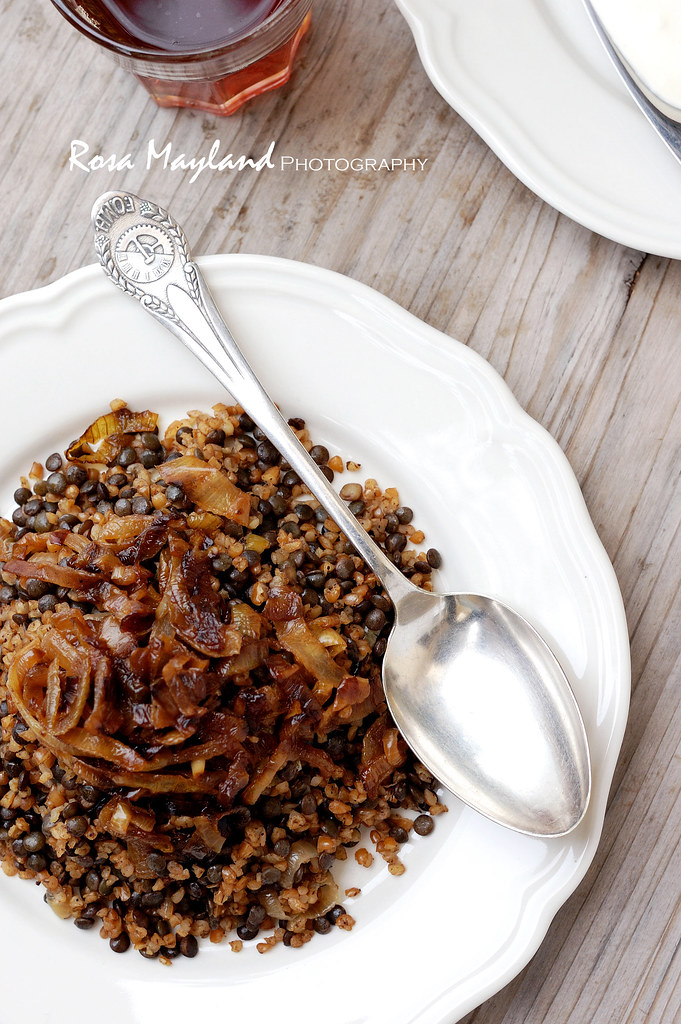
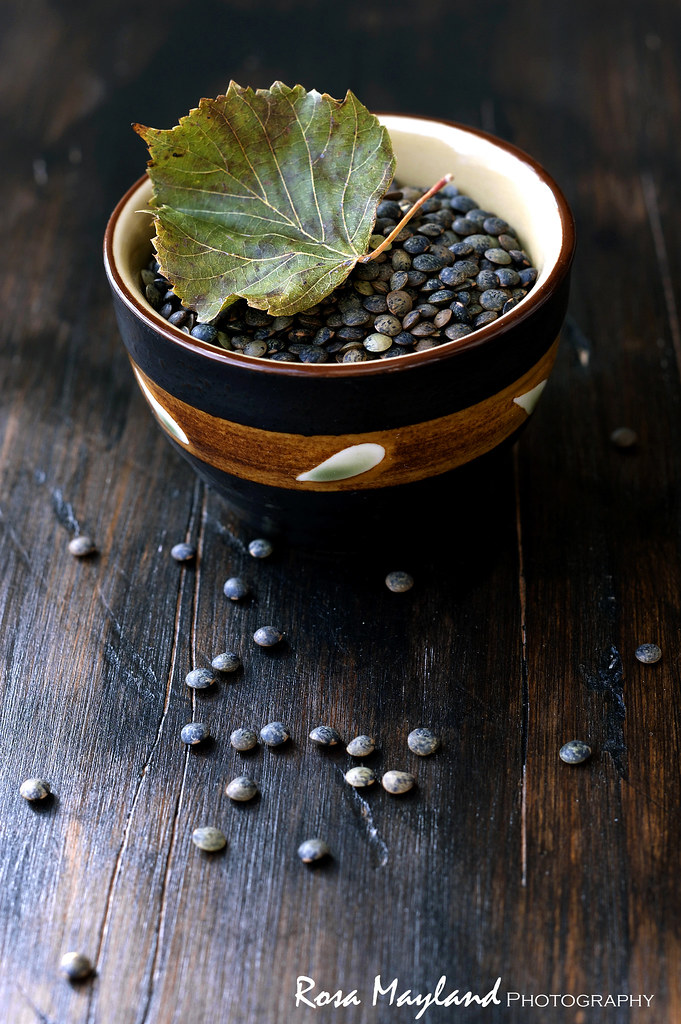
As you can imagine, choosing a recipe to showcase on "Rosa's Yummy Yums" wasn't an easy task (especially if you are a tergiversator named Rosa). It took me a while before I could make up my mind. Anyway, after a week of intense delibaration, I selected a hearty meat-free dish called "Mujaddara Burghul" ("Lentil And Bulgur Pilaf" in English) which is traditionally savored with cramelized onions and accompanied by plain yogurt, tomato, cucumber and/or onions slices (mine was served with some cooked beetroot since it is soon winter here in Switzerland and I disapprove of buying out of season vegetables).

The outcome was highly satisfying and the legume, cereal and spice addicts that we are were totally seduced by this main course's unique combination of bulgur, lentils and seasonings. Each element composing this magnificent one-pot mingled together perfectly, thus causing an exclamation of delight and a sigh of bliss after every forkful.


An economical, filling, fit, comforting and exquisite pilaf. One of life's simple pleasures!
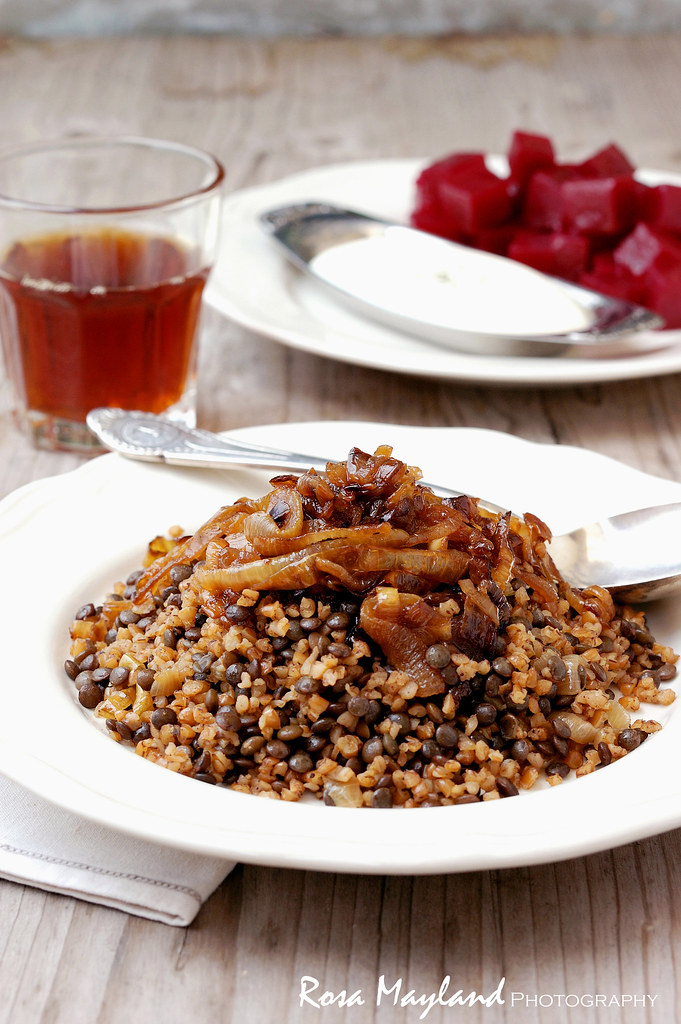
 
Mujaddara Burghul (Bulgur And Lentil Pilaf)
Recipe by Faith Gorsky of
"An Edible Mosaic".


Serves 6.

Ingredients:

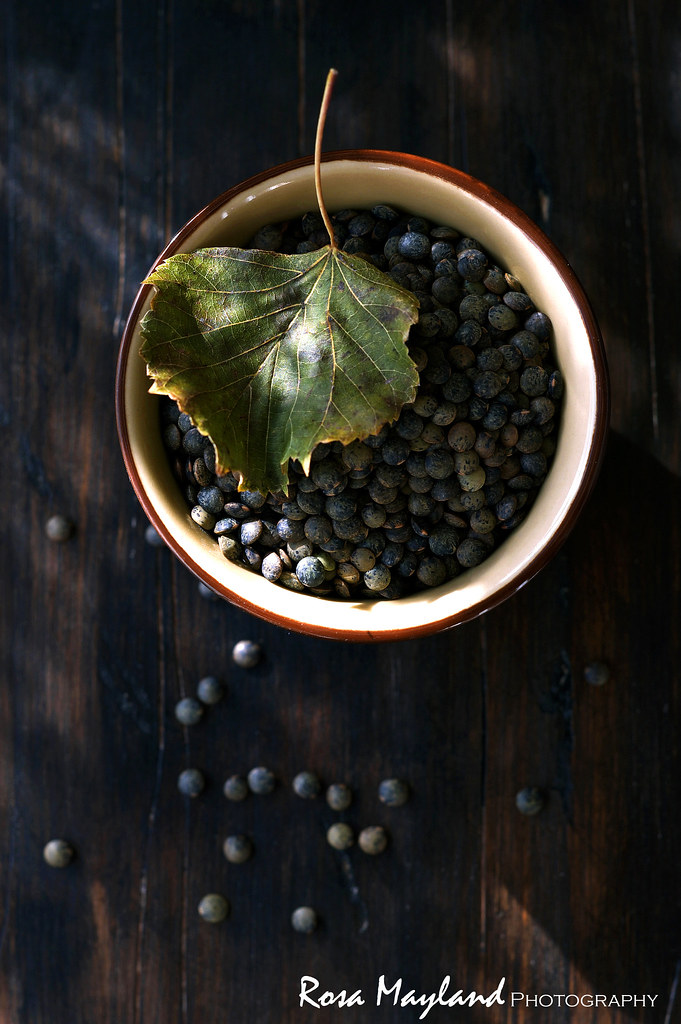
1 1/3 Cups (275g) Dried brown lentils
6 Cups (1.5 liters) Water
2 Tbs Olive oil
2 Tbs Butter
2 Large Onions, quartered and thinly sliced
1 Bay leaf
2 Pods cardamom, cracked open
2 Cloves
2 Tsps Ground cumin

1/2 Tsp Ground cinnamon
1 1/2 Tsp Fine Sea salt

1/4 Tsp Freshly ground black pepper
1 Cup (185g) Coarse-ground bulgur wheat
1 1/2 Cups (300ml) Boiling water

Thick plain yogurt (optional, for serving)

Method:
1. Sort through the lentils to remove any small stones or pieces of dirt, and then rinse with cold water in a colander.

2. Bring the rinsed lentils and the water to a boil in a lidded medium saucepan. Cover the saucepan, turn the heat down to a simmer, and cook until the lentils are tender but not mushy, about 20 to 30 minutes, stirring occasionally and adding more water as necessary so that they’re always immersed; strain and set aside.
3. While the lentils cook, heat the oil and the butter in a large skillet over moderately-high heat; add the onion and sauté until completely softened but not yet browned, about 10 minutes, stirring occasionally.
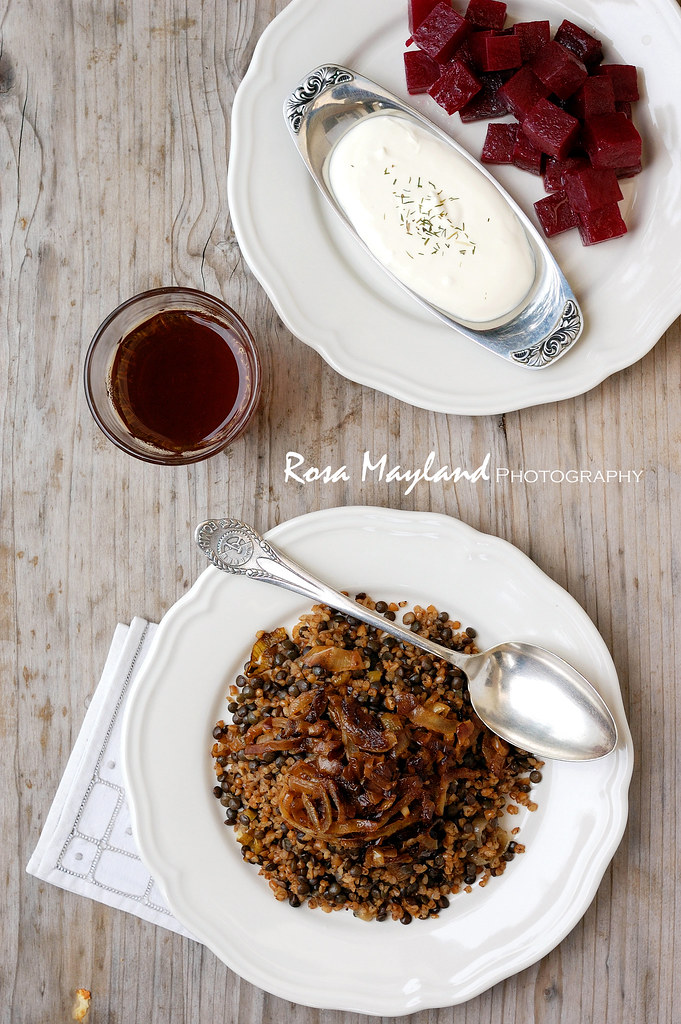
4. Transfer half the onion to a small bowl and set aside. Continue cooking the remaining onion until deep caramel in color, about 5 to 10 minutes, stirring occasionally and adding a splash of water as necessary if the onion starts to get too dark. Set aside.
5. Put half a kettle of water on to boil. Transfer the sautéed onion (not the caramelized onion) to a medium saucepan. Add the bay leaf, cardamom, clove, cumin, cinnamon, salt, and pepper and cook 1 minute.
6. Add the bulgur and cook 1 minute more, stirring constantly.
7. Give the bulgur a stir, then cover the saucepan, turn the heat down to very low, and cook until tender, about 10 minutes (do not open the lid during this time).
8. Turn the heat off and let the bulgur sit 10 minutes, then fluff with a fork and gently stir in the lentils. Taste and add additional salt, pepper and olive oil if desired.
7. Transfer to a serving dish and top with the caramelized onion.


Remarks:
Instead of making this dish with dried brown lentils, you can prepare it with the same amount of green lentils or 2 cans of brown lentils, rinsed and drained.
For an easy variation of this dish, use white or brown rice instead of bulgur wheat.

Serving suggestions:
Serve with plain yogurt (to spoon on top) and accompany by sliced tomatoes, cucumber and/or onions.
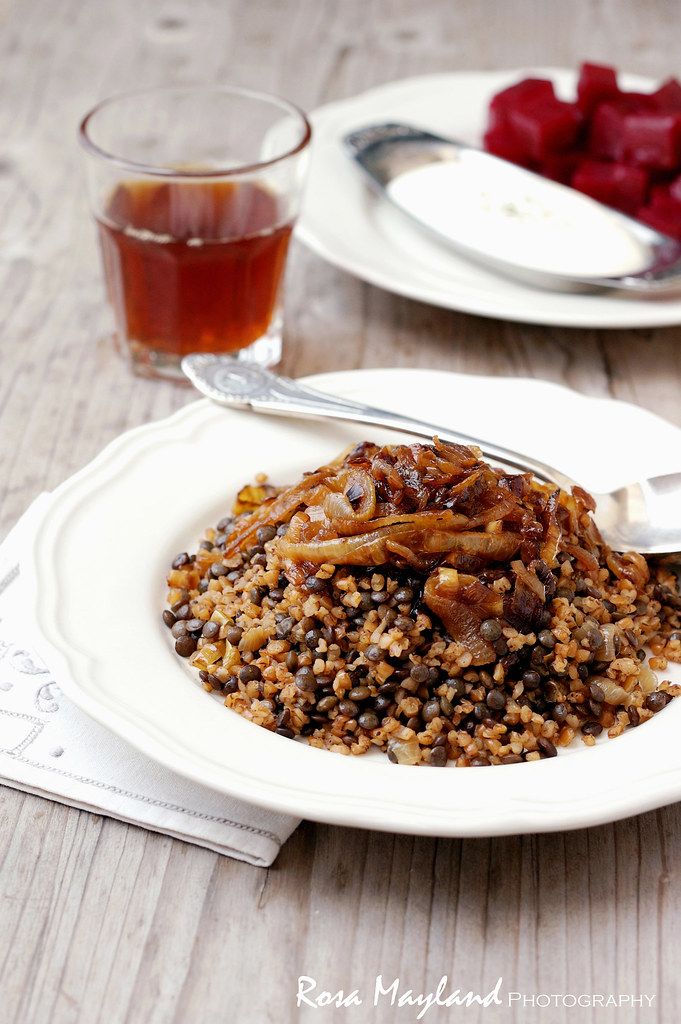
Mujaddara Burghul (Pilaf Au Bulgur Et  Aux Lentilles)
Recette par Faith Gorsky de
"An Edible Mosaic".


Pour 6 personnes.

Ingrédients:
275g de Lentilles brunes séchées
1,5L d'Eau
2 CS d'Huile d'olive
2 CS de Beurre
2 Gros oignons, coupés en quartiers et tranchés finement
1 Feuille de laurier
2 Gousses de Cardamome, écrasée
2 Clous de girofle, entiers
2 CC de Cumin en poudre
1/2 CC de Cannelle en poudre
1 1/2 CC de Sel de mer fin
1/4 CC de Poivre noir fraîchement moulu

185g de Boulgour concassé en gros grains
300ml d'Eau
Yaourt nature épais (en option, pour servir)

Méthode:
1. Trier les lentilles pour enlever les petites pierres ou les impuretés, puis rincer à l'eau froide dans une passoire.
2. Dans une casserole, porter les lentilles rincées et l'eau à ébullition. Couvrir la casserole, et baisser le feu. Laisser mijoter/cuire jusqu'à ce que les lentilles soient tendres mais pas molles (
remuer de temps en temps et ajouter plus d'eau si nécessaire afin qu'elles soient toujours immergées), environ 20 à 30 minutes. Egoutter et mettre de côté.
3. Dans une grande poêle, faire chauffer l'huile et le beurre à feu vif, ajouter l'oignon et faire revenir pendant
environ 10 minutes (remuer de temps en temps), jusqu'à ce qu'il soit mou et translucide mais pas encore doré.
 
Bulgur & Lentil Pilaf 2 4 bis
4. Transférer la moitié de l'oignon dans un petit bol et mettre de côté. Poursuivre la cuisson de l'oignon restant pendant environ 5 à 10 minutes (remuer de temps en temps et ajouter un peu d'eau si l'oignon commence à devenir trop sombre), jusqu'à ce qu'il ait caramélisé. Mettre de côté.
5. Dans une casserole de taille moyenne, faire bouillir les 300ml d'eau. Ajouter, l'oignon cuit (pas l'oignon caramélisé), la feuille de laurier, la gousse e cardamome, les clous de girofle, le cumin, la cannelle, le sel et le poivre. Faire cuire pendant 1 minute.
6. Ajouter le boulgour et faire cuire encore 1 minute suplémentaire, en remuant constamment.
7. Couvrir la casserole, baisser le feu à très doux et laisser cuire pendant envirion 10 minutes, jusqu'à ce qu'il soit tendre (ne pas ouvrir le couvercle).

8. Baisser le feu et laisser le boulgour reposer pendant 10 minutes, puis l'égrainer avec une fourchette et incorporer délicatement les lentilles. Goûter, puis saler et poivrer selon votre goût et ajouter un trait d'huile d'olive si désiré.
7. Transférer dans un plat de service et garnir avec les oignons caramélisés.

Remarques:

Au lieu de faire ce plat avec des lentilles brunes séchées, préparez-le avec des lentilles vertes ou 2 boîtes de conserves de lentilles brunes, rincés et égouttés.
Pour varier un peu, le boulgour peut être remplacé par du riz blanc ou brun.

Suggestions d'accompagnement:

Servir avec le yaourt (versé sur le dessus du plat) et accompagner de tranches de tomates, de concombre et/ou des rondelles d'oignons.
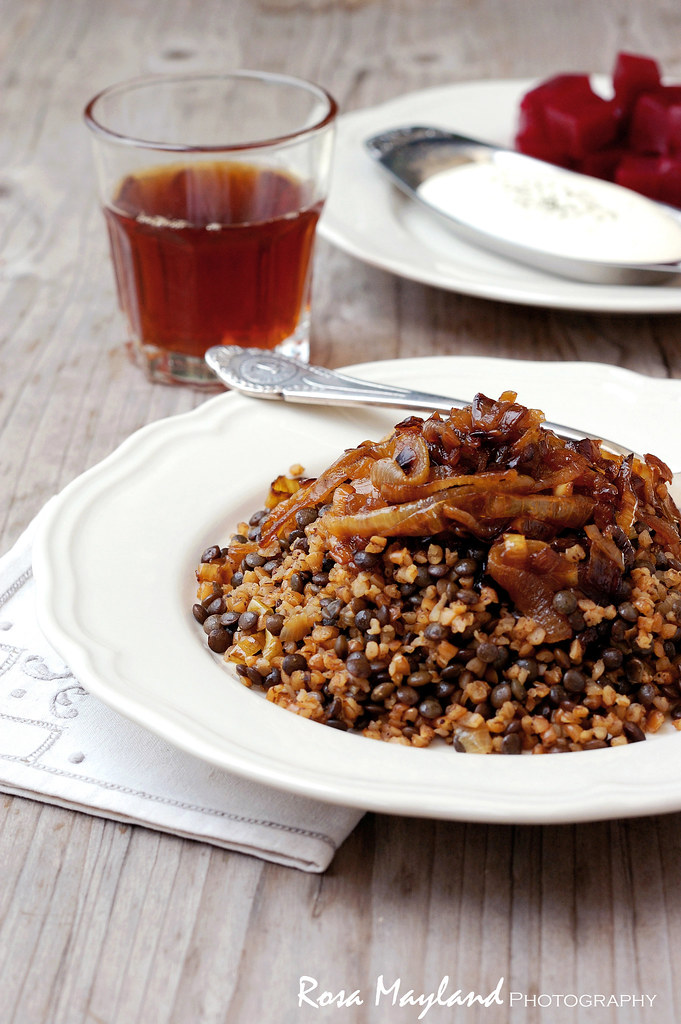

Bulgur & Lentil Pilaf 5 8 bis 

Friday, February 4, 2011

BAKED KIBBEH - KIBBEH AU FOUR

Kibbeh Picnik collage 3 bis
Lebanon. This name sounds very poetic, don't you think? Pronounce this unique, bewitching word and you'll get me phantasizing about refined and dreamlike dishes with exhalirating aromas and fragrant perfumes, antique temples still standing triumphantly even when in ruin, glorious ancient empires full of mystique (Phoenician, Assyrian, Babylonian, Persian, Macedonian, Roman & Byzantine), busy markets with stalls exploding with fresh veggies, fruits, spices, dried fruits and exquisite desserts, gorgeous sunny landscapes, snowy mountain tops, flat desertic plains, luscious pine tree forests and postcard-like coastlines, small coffee shops and restaurants crowded with men and women casually enjoying a delightful meals and sipping on their coffees or arak, and hospitable as well as frindly people who open the doors of their homes to visitors and happily share their meal with you. All of that might not be very accurate or the same in reality, but it is nonetheless what this complex country inspires me...

One thing I am sure of though is that the Lebanese rich gastronomic traditions have a lot to offer for gourmets like me and there is no doubt about the reasons why this place's cuisine is venerated all around the world. It's deliciousness is incomparable. Absolutely no myth here. If you already know the century-old Lebanese cuisine, then you know that I'm not lying and if you have never tasted it, well I can only assure you that you must immediately remedy this situation as you most likely have missed out on a fabulous experience.

Every time I plan to prepare a yummy dish for the weekend, I in
variably pick up one of my Middle Eastern cookooks and leaf through it's page while drooling. For me, that kind of is synonymous of culinary enlightment and extreme epicurian pleasure. I am constantly amazed by the recipes hailing from that region of the globe. But there is no mystery to why I am attracted to such wonderful exotic eats. I am crazy about spices, lamb, poultry, pilafs, mezze, dips, sticky and nutty desserts, flat breads and bulghur. Such goodies have a drug-like effect on me.

Being a really well-organized foodie who behaves like a squirrel (a stock freak) I always make sure that my cupboards and freezer are garnished with a vast array of ingredients (tons of spices, grains, legumes, pastes, sauces, herbs, cans, meat, etc..). In that way, it leaves me the opportnity to cook or bake more or less anything I want without having to run out to the supermarket.

As my pantry is a treasure trove just like Ali-Baba's cave and it hides many gems, I had no problem putting together one of Lebanon's national dishes, a "Kibbeh" that I had spotted in Claudia Roden's excellent book "Arabesque: A Taste of Morocco, Turkey, and Lebanon". Thanks to my tendency to accumulate goods I had everything at hand. The ground lamb meat was in the freezer, a bag of pine nuts that needed to get used was sitting on my dried fruit shelf, a bottle of pomegranate molasses was carefully kept in the sauce section of the counter next to the oven, a packet of bulghur was stocked in my IKEA cart and both the cinnamon as well as the allspice were waiting for me in the spice cabinet. Perfect!

The name "Kibbeh" derives from the Arabic word "kubbah" meaning "ball". This delicacy is one of the Levantine cuisine's most
widespread dishes and can be found in Syria, the Palestinian territories, Jordan, Iraq, Turkey, Iran, Egypt, the Arabian Penninsula, Armenia, Israel, Latin America (Brazil,Colombia, Cuba, the Dominican Republic, Honduras or Mexico - imported by the Syrian & Lebanese dispora) and Cyprus. This course is made with bulghur (sometimes even with rice), meat (also fish, pumpkin or potatoes) and spices. There are different varieties (vegetarian, balls, oval-shaped, patties that are either baked, cooked in broth, yoghurt, bitter orange juice or fried and there's even one version that is very similar to tartare and consists of raw meat), but the most common of them is the torpedo-shaped croquettes that are stuffed with minced beef or lamb and are deep-fried.

Making "Baked Kibbeh" for the first time was no big deal for me, thanks to my food processor and my years of experimenting with cooking. The preparation required no particular skill and was not messy, long nor complex. It was quite straightforward and idiotproof, but what came out of the oven was far from being plain or simple.

With it's complex and refined flavors, this Middle-Eastern meatloaf is extremely palatable. The meat base is soft, moist and meatilicious, and is crowned a sweet, sour, savory onion and pinenut topping. This "Baked Kibbeh" can be served hot or at room temperature as a mezze (cut in small pieces) or main dish, and makes a grandiose potluck or picnic dish that will be wolfed by adults and kids alike. With the leftovers you can even create a scrummy sandwich (use pita, fattoush breads or baguette Parisienne and add the spread of your choice - yoghurt, "Tarrator Sauce", "Baba Ganoush" or "Hummus").

Kibbeh Picnik collage 4 bis
~ Kibbeh Saniyeh ~
Recipe adapted from "Arabesque: A Taste of Morocco, Turkey, and Lebanon" by Claudia Roden.

Serves 4.

Ingredients For The "Baked Kibbeh" Base:

2/3 Cup (160g) Fine-ground bulgur
1 Medium white onion, cut into quarters
1 Pound (500g) Lean ground lamb (lean & boneless cubed leg of lamb)
1 Tsp Sea salt
Ground black pepper, to taste
1 1/2 Tsp Ground cinnamon
1+1 Tbs Vegetable oil (to grease the pan and the top of the kibbeh)
Ingredients For The "Onion & Pine Nut Topping":

1 Pound (500g) White onions, sliced (half-moon)
3 Tbs Extra-virgin olive oil
1/3 Cup (50g) Pine nuts
Sea salt, to taste
Ground black pepper, to taste
1/2 Tsp Ground cinnamon
1/3 Tsp Ground allspice
3 Tbs Pomegranate molasses
Method For The "Baked Kibbeh" Base:
1. Cover the bulgur with water and let rest 10 minutes. Drain well.
2. In a food processor, purée the onion, then add the meat, salt, pepper, and cinnamon. Blend to a fine paste.
3. Add the drained bulgur and blend again in order to get a smooth, homogenous a
nd soft paste.
4. Preheat the oven to 190° C (375° F). Oil a 26cm (10inch) diameter tart pan/dish and then press the paste into the bottom of the pan/dish with your hands.
5. Flatten and sm
ooth the top. Rub with 1 tablespoons oil.
6. With a pointed knife, cut the kibbeh into 6 wedges through the center, and run the knif
e around the edges of the dish to release them.
7. Bake the kibbeh in the preheated oven for about 30-40 minutes, until browned.

Kibbeh 4 copy bis
Method For The "Topping":
8. Meanwhile, fry the onions in the olive oil until they are golden brown, stirring often.
9. Add the pine nuts. Stir-fry until lightly golden.
10. Salt and pepper to taste, then add the cinnamon, allspice and the pomegranate molasses.
11. Continue cooking and stirring for about 1 minute.
12. Spread the onion mixture over the top of the kibbeh and serve.

Remarks:

You can replace the pinenuts by 2/3 cup (90g) shelled walnuts, broken into pieces.
If you wish, you can also add 2 tablespoons raisins that have been previously soaked in water for 15 mi
nutes and drained (in case you are using the raisins, ommit the pomegranate molasses) or add 1 tablespoon sumac to the onion topping (then ommit the pomegranate molasses).

Serving suggestions:
Serve hot or at room temperature, alone or with a salad, a dollop thick yoghurt,
"Tarrator Sauce", "Baba Ganoush" or "Hummus".

~~~~~~~~~~~~~~~~~~~~~~

Kibbeh Picnik collage 2 bis
~ Kibbeh Au Four ~
Recette tirée et adaptée du livre "Arabesque: A Taste of Morocco, Turkey, and Lebanon" de Claudia Roden.

Pour 4 personnes.

Ingrédients Pour le "Kibbeh":

160g de Boulghour fin
1 Onion blanc (moyen), coupé en quatre
500g de Viande d'agneau hachée maigre (ou du gigot d'agneau désossé et coupé en cubes)
1 CC de Sel de mer
Poivre noir moulu, selon goût
1 1/2 CC de Cannelle en poudre
1+1 Cs d'Huile végétale
Ingrédients Pour La "Garniture Aux Oingons":

500g d'Oignons blancs, coupés en demi-lune
3 CS d'Huile d'olive extra vierge
50g de Pignons de pin
Sel de mer, selon goût
Poivre noir moulu, selon goût

1/2 CC de Cannelle en poudre
1/3 de Tout-épice en poudre
3 CS de Mélasse de grenade

Méthode Pour le "Kibbeh":
1. Recouvrir le boulghour avec de l'eau et mettre de côté pendant 10 minutes. Bien égoutter.
2. Dans
un mixer, réduire l'oignon en purrée, puis ajouter la viande, le sel, le poivre et la cannelle. Mixer afin d'obtenir une sorte de pâte.
3. Ajouter le boulghour égoutté et mixer à nouveau afin d'obtenir une pâte collante, homogène et fine.
4. Préchauffer le four à 190° C. Huiler un moule à tarte de 26cm et presser (avec les mains) la pâte dans le moule.
5. Bien applatir et lisser le dessus. Peindre avec 1 CS d'huile.
6. A l'aid
e d'un couteau pointu, couper le kibbeh en 6 tranches égales (comme pour une tarte) et passer le couteau dans les bords afin de les libérer.
7. Cuire le kibbeh dans le four préchauffé pendant 30-40 minutes, jusqu'à ce qu'il soir doré.

Kibbeh Picnik collage 5 bis
Méthode Pour La "Garniture Aux Oingons":
8. Pendant ce temps, faire frire les oignons dans l'huile d'olive tout en remuant de temps à autre,
9. Ajouter les pignons de pin. Continuer à cuire jusqu'à ce que les pignons soient dorés.
10. Saler et poivrer, puis ajouter la cannelle, le tout-épice et la mélasse.
11. Cuire encore penadant 1 minute tout en remuant.
12. Etaler la garniture sur le dessus du kibbeh et servir.


Remarques:
Au lieu d'utiliser des pignons de pins, vous pouvez préparer ce plat avec 90g de noix , grossièrement concassées.
La garniture peut aussi être faite avec 2 CS de raisins secs qui ont été trempés pendant 15 minutes et égouttés avant utilisation (dans ce cas, omettez la mélasse
) ou bien il vous est aussi possible d'ajouter 1 CS de sumac (dans ce cas aussi, omettez aussi la mélasse).

Idées de présentation:
Servir chaud ou à température ambiante et accompagner avec une salade ou du yaourt à la grecque, du
"Baba Ganoush" ou du "Hummus"..

Kibbeh Picnik collage 1 bis

Saturday, September 11, 2010

NAMOURA & PALAIS DES THÉS TEAS

Teapot Picnik collage 1 bis
A few weeks ago I was contacted by the famous "Le Palais Des Thés" (read more about them) who asked me if I was interested in reviewing a few of their teas. Since I love tea and had heard a lot about them and I had a peek at their wonderful showcase at my favorite local store (Manor) there was no way I was going to refuse that offer. It is a great opportunity for me to discover new products...

When I was still living at home my parents bought many expensive Chinese teas from a Vietnamese of Chinese origin who travelled a lot around China in order to find rare blends (Pu Erh, Wu Long, White Cloud, etc...) and buy beautiful teapots that he sold in his little boutique/tearoom. In that way, I was brought up to appreciate good quality teas and not get fooled by the commercial brands that make you believe they sell the best teas on the market when in fact they only offer low-grade teas.

logopalaisdesthes_208x355
Well, for me tea is made to be savoured and not drunken like any other vulgar drink. One needs to take his/her time, sit comfortably, be in a positive mood, freehimself/herself from the grip of the stressful modern world and open his/her senses. Drinking tea can be compared to meditation. As a matter of fact tea gives you a sense of enlightenment - an almost "light" sensation where you feel open to the world. It enhances the feeling of well being, makes you feel more relaxed and more receptive to your inner self (keeps you open and clear) and clearly enhances your meditation experience. No wonder that in Asia (China and Japan mainly - tea ceremonies) it has always been used in close relationship to meditation.

Tea pot Picnik collage 2 bis
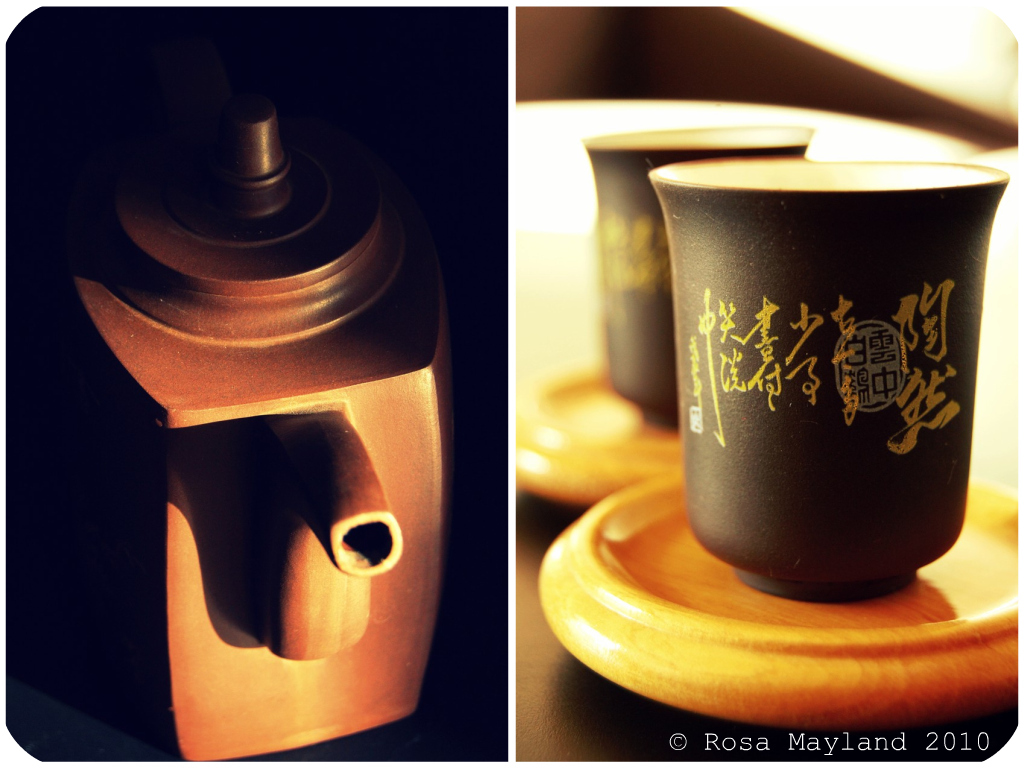
So, in order to fully appreciate the teas I was given to sample, I tried to find the best moments possible in order to reverently to get my pretty Chinese clay Yi Xing teapot and mini cups out. I did not want to rush the testing session and decided to spread it over a few days.

I must say that I was really not deceived by the teas I tested. All were divine, unique and I had a great time experimenting with them. The "Le Palais Des Thés" blends are extraordinary, refined, out of this world and are processed from first-class teas. A real experience!

An insight on the teas I tested:

Thé Des Sherpas Picnik collage bis
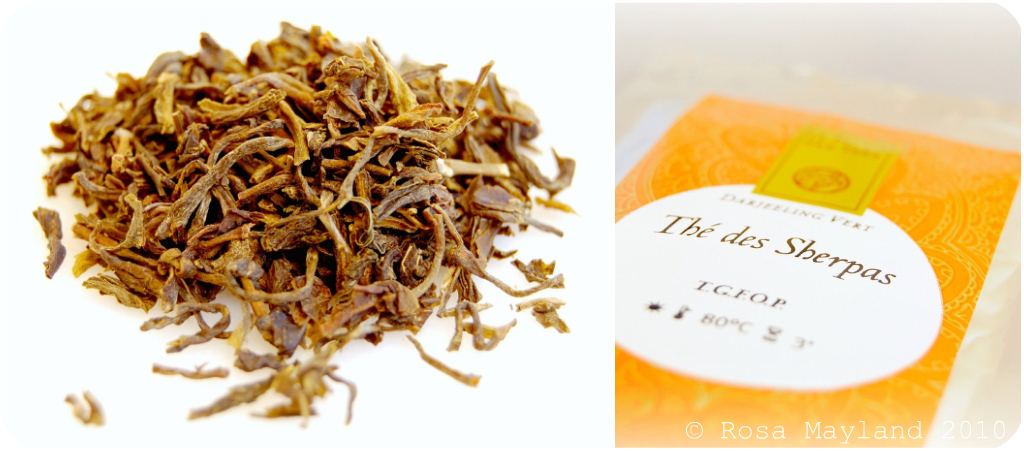
Thé Des Sherpas
Unfermented whole leaf green tea from Darjeeling (Northern India/Himalaya).
Fresh and scented. It's taste brings reminds of roasted chestnuts.

Théophile Picnik collage bis
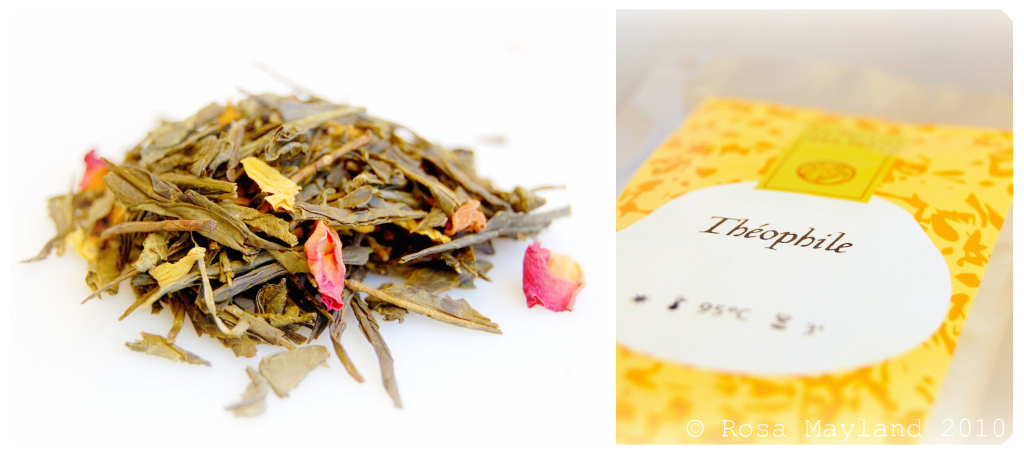
Théophile
Whole leaf green tea mixed with flower petals.
Inspired by oriental traditions, wonderfully exotic, with intense fruity accents of lychee and mango and delicate floral notes of lotus and roses.

Thé Bao Zhong Picnik collage bis
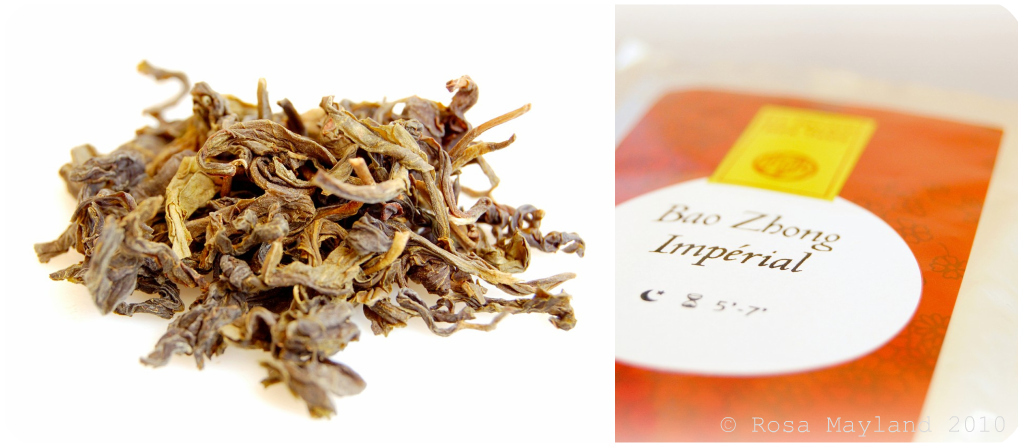
Bao Zhong Impérial
Semi-fermented whole leaf tea from Taiwan.
Flowery, verdant, mild and almost peppery taste that evokes narcissus and jasmine flowers.

Thé des Concubines Picnik collage bis
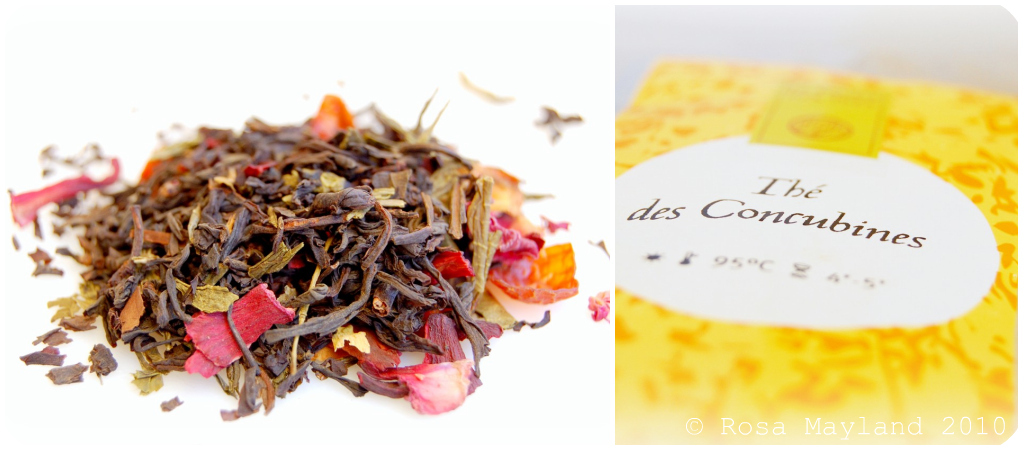
Thés Des Concubines
Whole leaf green and black teas from China with rose petals and pieces of fruit.
Refined, delicate with rich, fruity notes of cherry, mango and vanilla.

Thé Genmaicha Picnik collage bis
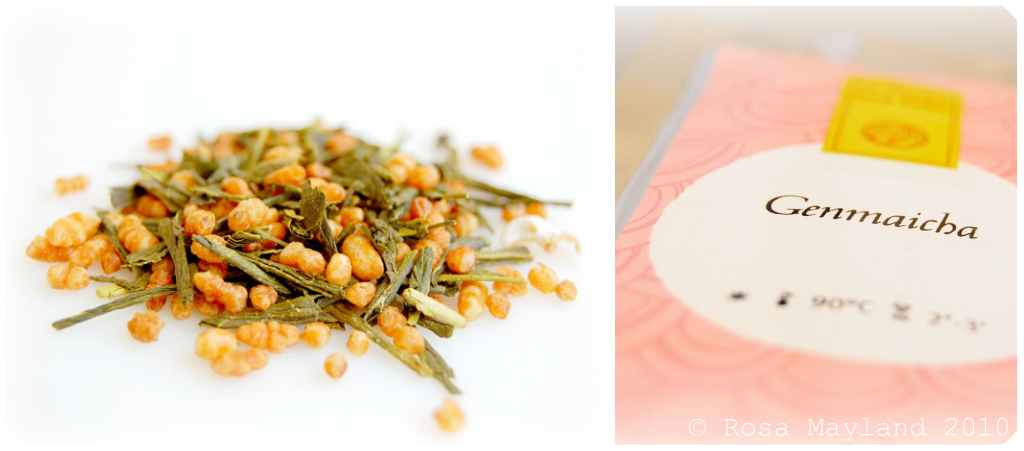
Genmaicha
Whole leaf green tea from Japan.
Very refreshing, thirst quenching and delicious. Has a delightful flavor of roasted rice and Bancha tea.

Thé Aux Fruits d'Eté Picnik collage bis
Thé Aux Fruits d'Eté
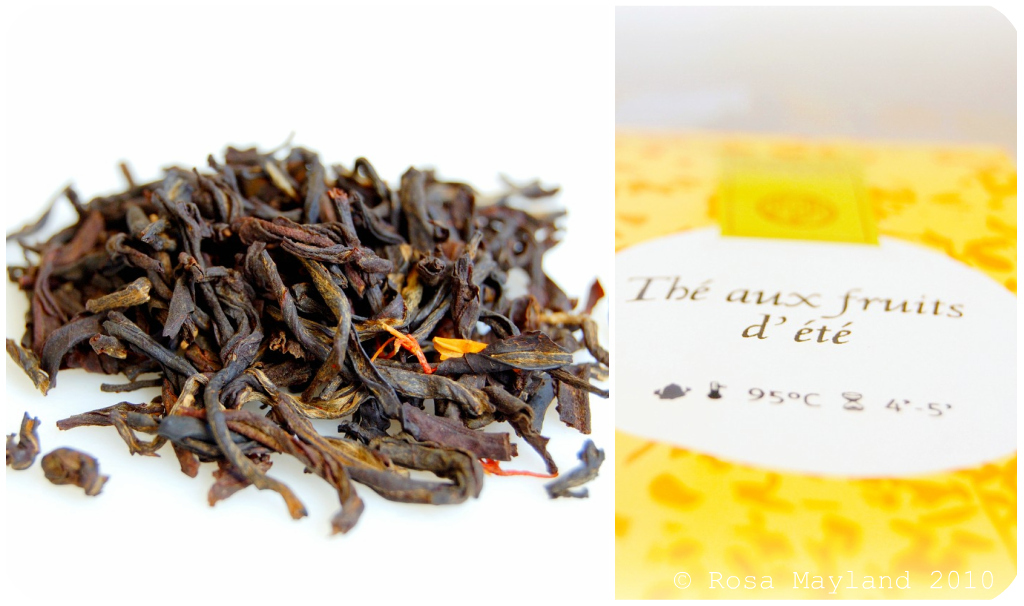
Whole leaf black tea from Yunnan with the natural extract of Na-she (a fruit from the South of China which's flavour is similar to that of the pear while it has the appearance of a small apple) and marigold petals.
Fresh, slightly smoky and subtly perfumed.


Thé Des Amants Picnik collage bis
Thés Des Amants
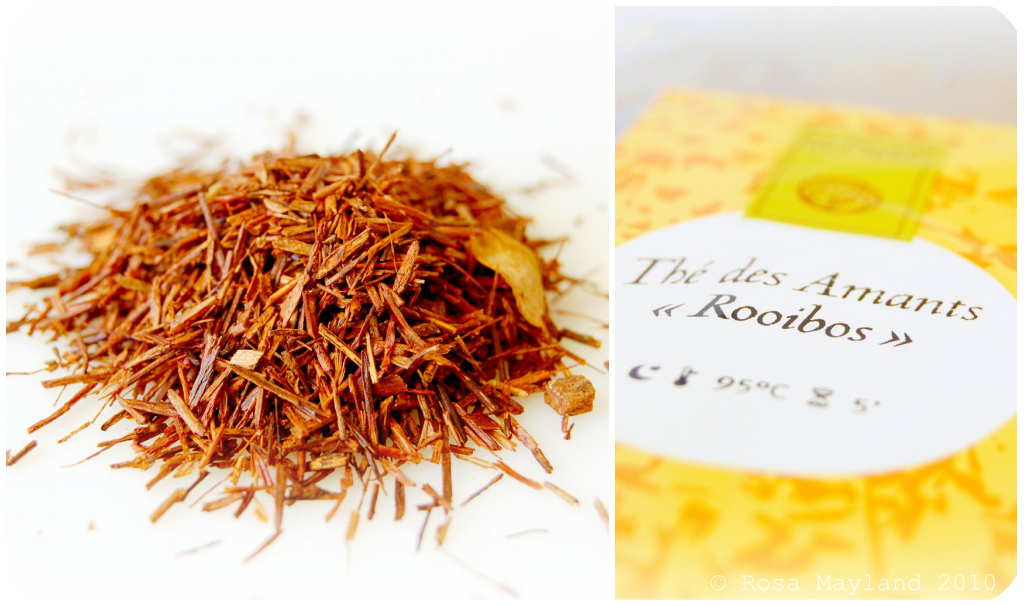
Whole leaf red tea with Rooibos bush, apple, almond, cinnamon and vanilla with a hint of ginger. Sensual, sweet, voluptuous, fruity and lighty spicy.

Read the interesting blog "Discovering Tea".

~~~~~~~~~~~~~~~~~~~~~~

As I wanted to take the sampling even further, I thought that it would be a wonderful idea to bake a treat that would be flavored with one of the "Le Palais Des Thés" teas...

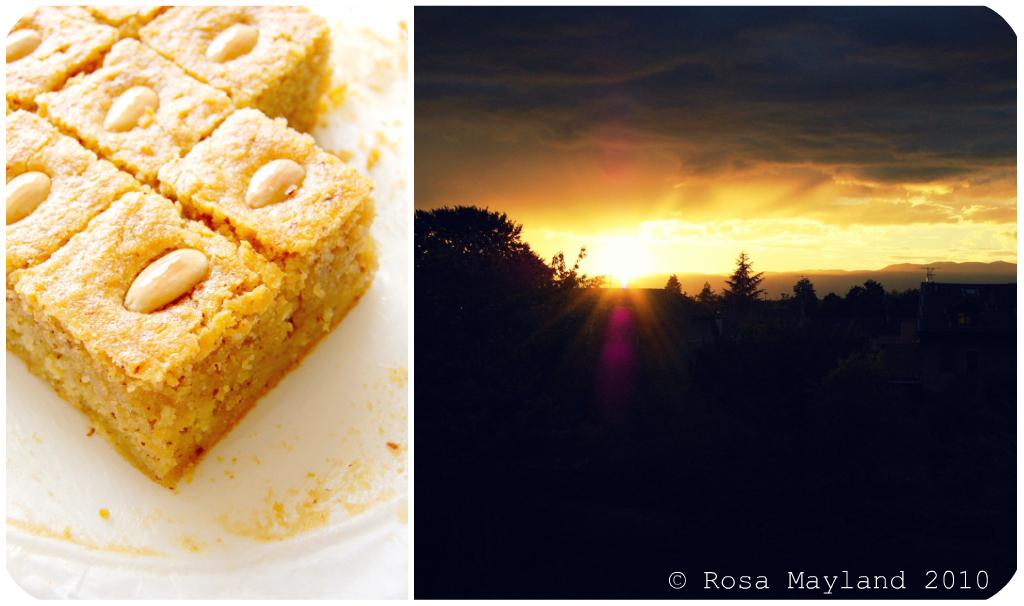
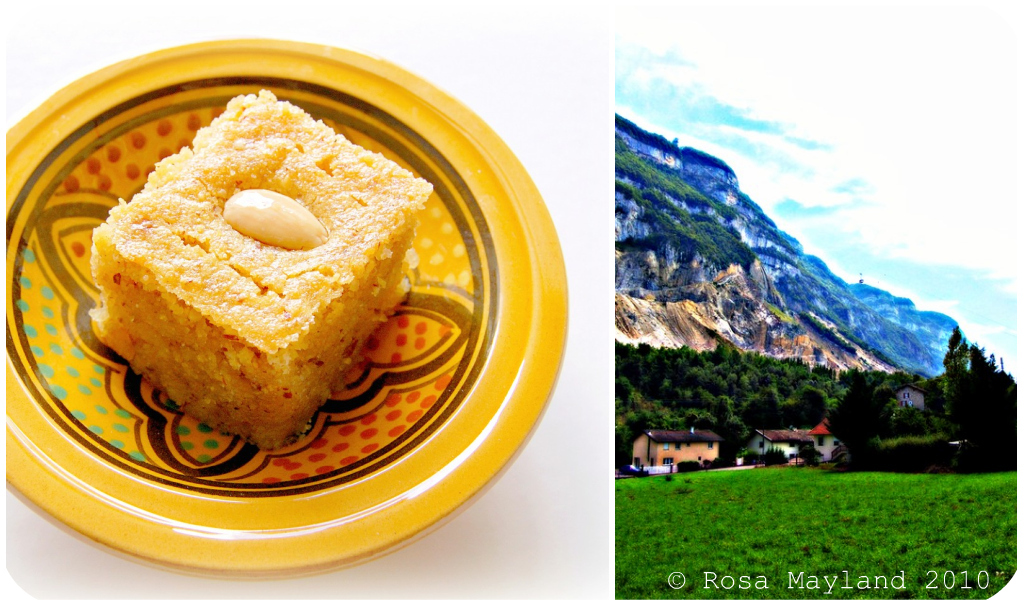
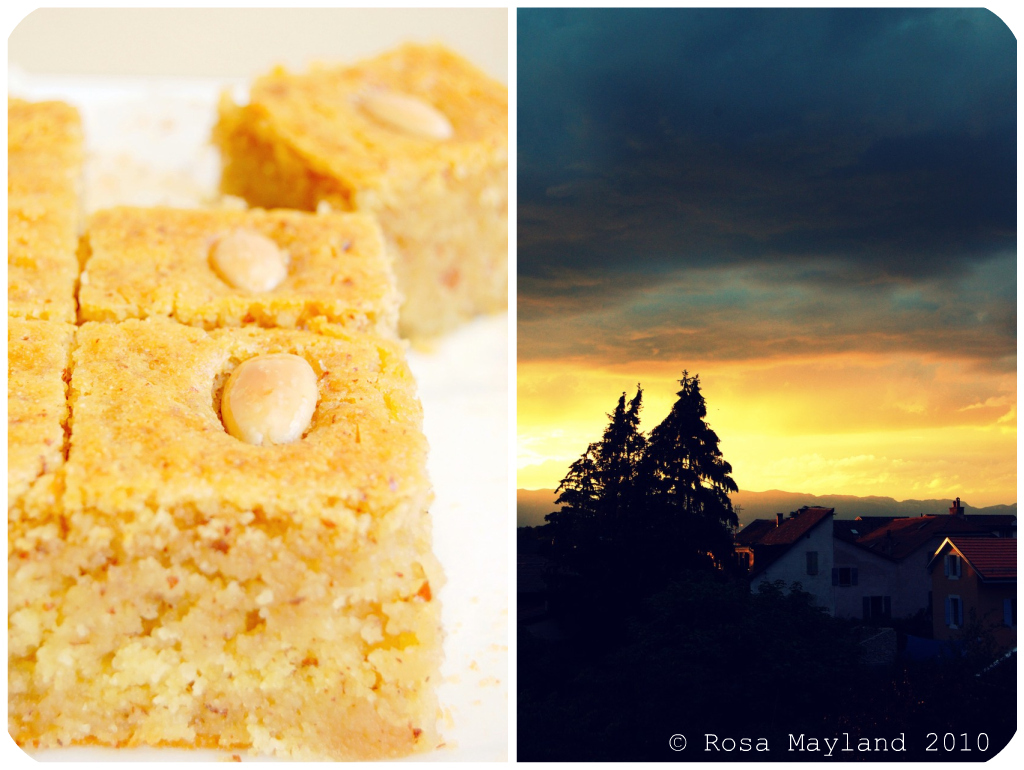
Middle East pastries are mostly enjoyed with a good cup of black tea (or coffee) I thought that instead I could make a Lebanese treat aromatized with tea. After a little research on Cherine's gorgeous blog "Chicho's Kitchen" I came upon the speciality that I was going to bake: "Namoura" (see my 2006 post about that speciality also called"Basboussa" in Egypt or "Revani" in Greece or Turkey), a heavenly dessert made with semolina and imbibed with a luscious syrup. Just the right dessert to celebrate both the Eid or Rosh Hashanah (Eid Said Mubarak & Shanah Tova!!!)...

Cherine's recipe uses a syrup that is flavored with orange blossom water. I chose to perfume mine with one of the "Le Palais Des Thés" fruity teas. I wanted a flavor that would be very Middle Eastern in flavor, so I thought that the "Théophile" tea would be the perfect choice as it's got strong and intoxicating floral accents that remind me of ancient Syrian rose gardens.

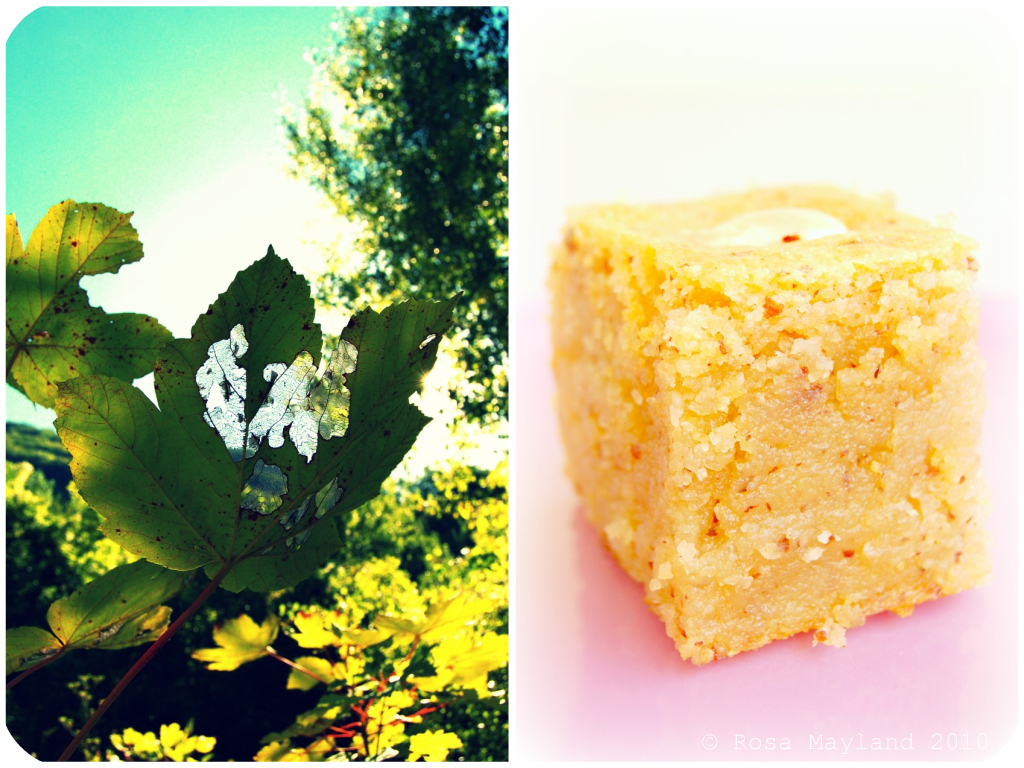
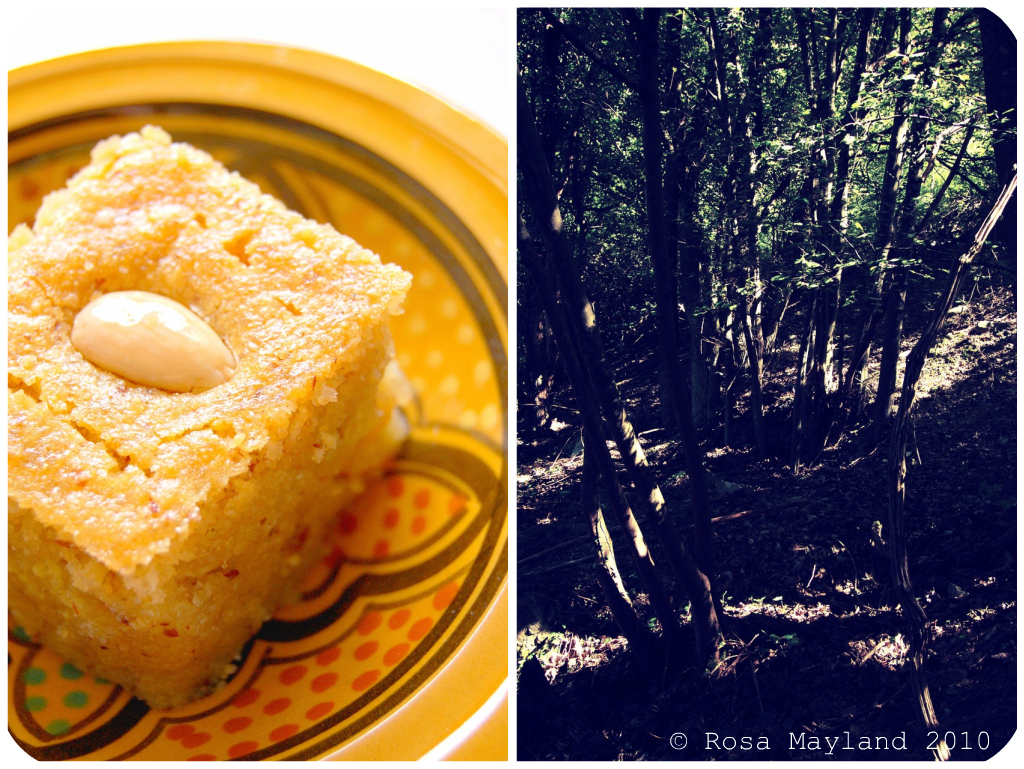
"Namoura" is a tantalizingly exquisite cake. It is fluffy and divinely moist in texture, wickidly sweet like honey, is subtly perfumed and has a delicate buttery aroma.

NAMOURA Picnik collage 1 bis
~ Namoura With Tea Syrup ~
Recipe adapted from "Chicho's Kitchen".

Ingredients For The "Cake":
2 Eggs, lightly beaten
1 Cup All-purpose flour
A pinch sea salt
1 Cup Fine semolina
1 Cup Ground almonds
1 Cup Unsalted butter, melted
1 Cup Whole milk
1 1/3 Tbs Baking powder
2 Tbs Tahini
Blanched almonds for decorating
Ingredients For The "Syrup":
2 Cups Castor sugar
2 Cups Water

4 Tsp "Théophile" tea (Le Palais Des Thés)

Method
For The "Cake":
1. In a big bowl, mix together the flour, the salt, the s
emolina, the ground almonds and the baking powder.
2. In a separate bowl, mix together the milk,
the melted butter and the eggs.
3. Add the milk/butter/egg mixture to the flour/semolina mixture and mix well.
4. Grease a 25cm (10 inches) round baking pan with 2 tbsp of tahini and pour the batter in.
5.
Using a knife, score the top of the batter into equal squares and place a blanched almond in the middle of each square.
6. Bake in a preheated oven at 180° C (350º C) for 30 to 45 minutes or until slightly brown on top.

NAMOURA Picnik collage 2 bis
Method For The "Syrup":
7.
Meanwhile bring the water to a boil and infuse the tea for about 5 minutes. Sieve well.
8. In a saucepan, mix the sugar and flavored water together and bring to a boil. Let simmer until it forms a sticky syrup.
9. Let the syrup cool completely.
10. As soon as the cake comes out of the oven, pour the cold syrup over.
11. Cool the cake on a rack and then cut the squares.

12. Serve.

Remarks:
If you don't want to use tea, then add 2 Tbs orange blossom water to the water/sugar mixture (mix the water & sugar & orange blossom, then bring to the boil and simmer).
This cake is very breakable when fresh. I recommend that you leave it a few hours in the fridge before serving. In that way you'll have clean slices.

Serving suggestions:
Eat this cake at any time of the day and accompany it with some good tea.

~~~~~~~~~~~~~~~~~~~~~~


NAMOURA Picnik collage 5 bis
~ Namoura Et Son Sirop Au Thé ~
Recette adaptée du blog "Chicho's Kitchen".

Ingrédients Pour Le "Gâteau":

2 Oeufs légèrement battus
1 Tasse de farine blanche
1 Pincée de sel marin
1 Tasse de Semoule moyenne
1 Tasse de Poudre d'amande 1 Tasse de Beurre non-salé, fondu
1 Tasse de Lait entier
1 1/3 CS de Poudre à lever (levure chimique)
2 CS de Tahini
Amandes blanchies pour la décoration
Ingrédients Pour Le "Sirop":
2 Tasses de Sucre
2 Tasses d'Eau
4 CC de Thé Théophile" (Le Palais Des Thés)

Méthode Pour Le "Gâteau":
1. Dans un grand bol, mélangez la farine, le sel, la semoule, la poudre d'amande et la poudre à lever.
2. Dans un autre bol, mélangez le lait, le beurre fondu et les œufs.
3. Ajouter le mélange aux oeufs au mélange farine/semoule et bien mélangez.
4. Graissez un moule rond de 25cm avec le tahini et versez la préparation dedans.
5. Avec un couteau, entaillez des carrés et déposez une amande au centre de chaque carré.
6. Faites cuire dans un four préchauffé
à 180º C pendant 30 à 45 minutes ou jusqu'à ce que le gâteau soit légèrement doré.

NAMOURA Picnik collage 3 bis
Méthode Pour Le "Sirop":
7. Pendant ce temps, portez l'eau à ébullition et ajouter le thé. Laisser infuser pendant 5 minutes et tamiser.
8. Mélanger le sucre et le thé, puis portez à ébullition. Faire mijoter jusqu'à ce que le sirop soit épais.
9. Stopper le feu et laissez le sirop refroidir.
10. Sortir le gâteau du four et recouvrez-le de sirop froid. Le laisser s'imbiber.
11. Le couper en carrés. Faire refroidir le gâteau sur une grille.

Remarques:
Si vous ne voulez pas parfumer votre Namoura avec du thé, alors ajoutez 2 CS d'eau de fleur d'oranger au mélange eau/sucre (mélanger le sucre, l'eau et l'eau de fleur d'oranger ensemble, porter à ébulltion et faire mijoter).
Ce cake est très friable quand il est frais. De ce fait je vous recommande de le conserver au frigo pendant quelques heures avant de la servir. Il sera plus présentable.

Idées de présentation
:
Servir ce gâteau à toute heure de la journée, avec une bonne tasses de thé.

NAMOURA Picnik collage 4 bis

Friday, July 2, 2010

FALAFELS


Middle Eastern cuisine is my drug. There is something about it that appeals to me and makes me addicted. I guess it has a lot to do with it being healthy, humble, yet extremely refined, fragrantly spicy, exhaliratingly exotic and rich in traditions as well as history, thus reminding me of great as well as intriguing ancient civilizations (Mesopotamia, Ancient Egypt, Ancient Greece, Persia, etc...). It carries a kind of romantic aura that plunges me directly into mythic worlds...

But where does this magnetic attraction come from? In another life I was maybe a Summerian lady, a Babylonian warrior, a Greek amazon or a cook in the Ottoman palace's kitchens, though I also believe I could have been a Sioux or a Viking princess before I got reborn as Rosa, the "mad" foodblogger that you all know. Who knows? I can only say that an unknown bond keeps me attached to the delightful savors of that area of the globe.

I am very passionate about Greek, Turkish, Moroccan and Lebanese cooking. I cannot get enough of chickpeas, Basmati rice, pine nuts, coriander, tahini, bulgur, cumin, flatbreads (Pita, Khoubz & Lavash), olive oil, sesame seeds, honey, yogurt, phyllo, feta, etc... Those are ingredients that I would never like to live without. It is impossible for me to take them out of my diet.

Well, to make this story short, the other week my friend Corinne and I were in town and we decided to eat a little something. Corinne being married to a Palestinian man, she is also very much besotted by Middle Eastern dishes, so we decided to buy a falafel sandwich from "Parfums De Beyrouth", a take away in the red light district area of Geneva called Les Pâquis. While eating that delicious snack I told Corinne how much I love "Falafels" and I started wondering why I had never made any. After leaving the place, I promised myself to make some as soon as possible. A week later, homemade "Falafels" graced my table...

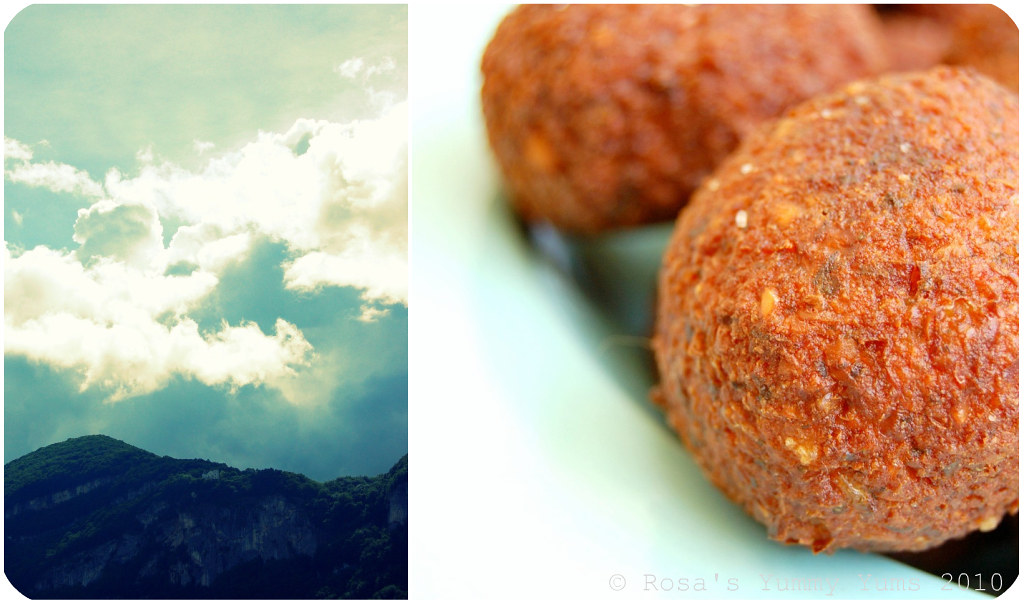
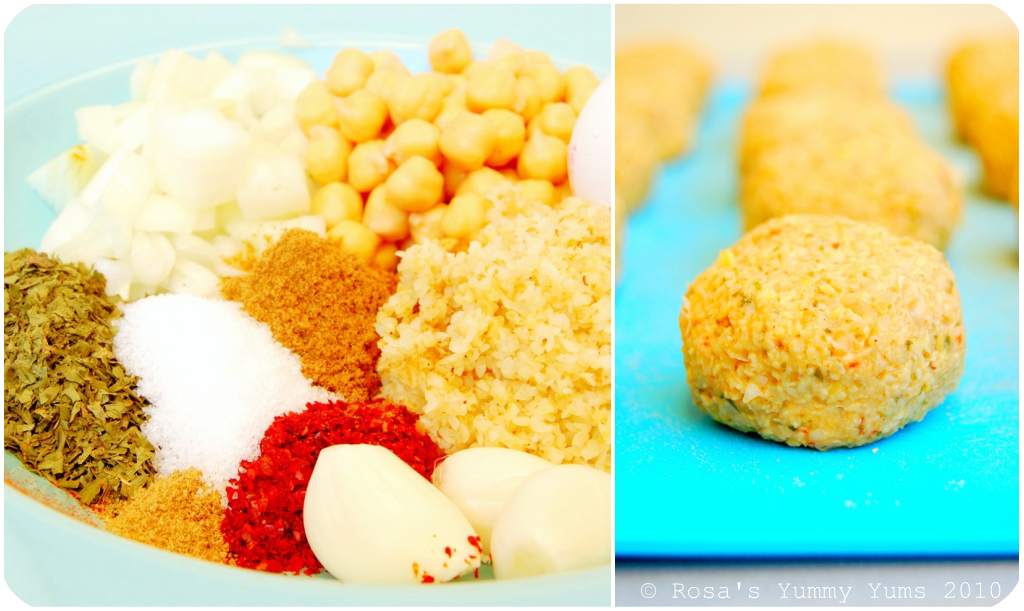
"Falafels" are little deep fried croquettes in the shape of a ball which are thought to originate from Egypt - though some people believe that they come from India - (They were eaten for Lent by the Copts. The recipe migrated further East and chickpeas replaced the fava beans.). They are a common mezze, snack and street food item all accross the Middle East. "Felafels" can be eaten topped with salad, vegetable pickles, hot sauce and a tahini-based sauce or served in a pita or wrapped in a flatbread. They are generally made with mashed chickpeas (although certain versions contain no chickpeas - Egyptian falafels are made with fava beans instead, thus their green color), bulgur wheat (not in all recipes), spices and herbs such as coriander and parsley.

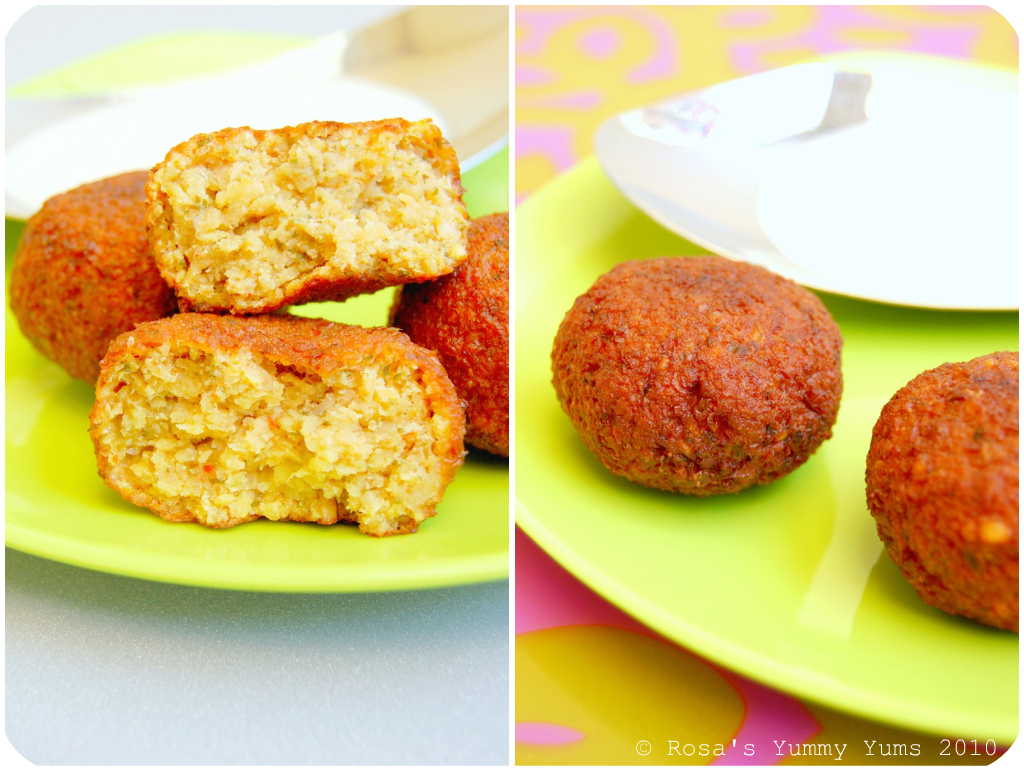
To make my "Falafels" I inspired myself from many sources around the net and from my books in order to create the recipe that follows. They turned well and were close to perfect. Of course, it is my first attempt at making them, so I'm sure I can still develop and adapt that recipe a little in the future. I'll definitely try other versions soon in order to find the most perfect flavor combination and texture.

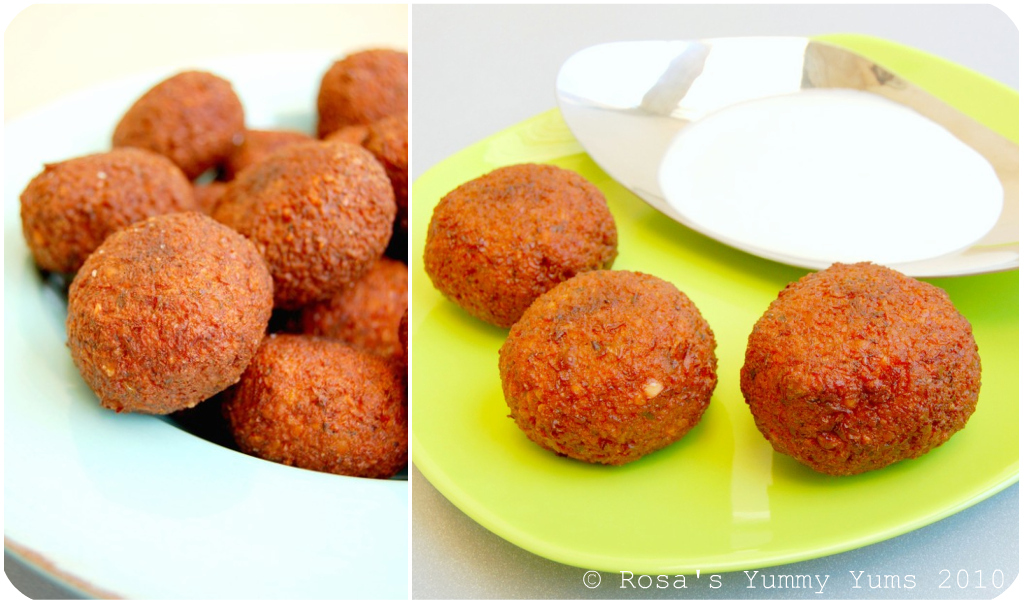
Those "Falafels" look perfect and taste wonderful. They ar
e not greasy at all, very flavorful, delicately spicy (the spices reveal themselves to you slowly), gorgeously crisp on the outside and pillow-soft on the inside. A soul-uplifting delicacy that'll make you travel without leaving the house!


~ Falafels ~
Recipe by Rosa @ Rosa's Yummy Yums 2010.

Makes about 24 falafels.

Ingredients:
1 Cup Dried chickpeas
1/2 Cup Bulgur
1 Big white onion, chopped
3 Cloves garlic
2-3 Tbs Fresh chopped parlsey
2 Tbs Fresh chopped cilantro/coriander
1 Big egg (~63g)
2 Tsp Ground cumin
1/4 Tsp Ground Coriander
1 Tsp Paprika
1 Tsp Kirmizi biber
1 1/2 Tsp Sea salt
1 Tsp Dried oregano
1/2 Tsp Baking powder (optional)
A pinch freshly ground black pepper
A few drops red Tabasco
2 Tbs Tahini
2 Tbs Bread crumbs (or more/optional)
Peanut oil, to deep fry

Method:
1. The day before, place the chickpeas in a bowl and cover them with water. Leave overnight.
2. The next day, put the bulgur in a bowl and cover with water. Let the bulgur stand in the water for about 15 minutes, then drain very well.
3. Place the chickpeas, onion, cloves, parsley, cilantro, egg, baking powder, tahini and spices in a blender and process until still a little grainy.
4. Transfer the mixture into a bowl and add the bulgur as well as breadcrumbs (you should be able to create balls/if not add breadcrumbs).
5. Cover the bowl and let rest for about 2 hours in the fridge.
6. Fill a pan with 6cm (3 inches) oil and heat. The oil should be about 190°C (375° F).
7. Deep-fry the falafels (5 at a time) until golden brown.
8. Remove from the pan and drain on kitchen paper and serve hot.

Remarks:
The mixture should be blended, but not pureed.
Add a little more breadcrumbs if the mixture is too wet and you cannot make balls with it.

Serving suggestions:
Serve the falafels with "Tarator Sauce" and a good salad or make sandwiches with halved pita breads stuffed with tomato slices, salad (chopped iceberg), onions slices and "Tarator Sauce".

~~~~~~~~~~~~~~~~~~~~~~

~ Falafels ~
Recette par Rosa @ Rosa's Yummy Yums 2010.

Pour environ 24 falafels.

Ingrédients:
1 Tasse (250g) de Pois chiches secs
1/2 Tasse de Bulghur
1 Gros onion blanc, haché
3 Gousses d'ail
2-3 CS de Persil haché
2 CS de Coriandre haché
1 Gros oeuf (~63g)
2 CC de Cumin en poudre
1/4 de CC de Coriandre en poudre
1 CC de Paprika
1 CC de Kirmizi biber
1 1/2 CC de Tsp Sel de mer
1 CC d'Origan séché
1/2 CC de Poudre à lever (en option)
Une pincée de povre noir fraîchement moulu
Quelques gouttes de Tabasco rouge
2 CS de Tahini
2 CS de Panure (et plus si la préparation est trop mouillée/en option)
Huile d'arachide, pour frire


Méthode:
1. Faire tremper les pois chiches toute une nuit afin qu'ils se réhydratent.
2. Le lendemain, faire tremper le bulghur dans de l'eau afin de le réhydrater. Laisser le bulghur dans l'eau pendant au moins 15 minutes. Bien égoutter.
3. Mettre les pois chiches, l'onion, l'ail, le persil, la coriandre, l'oeuf, la poudre à lever, le tahini et les épices dans un mixer et réduire en une masse assez homogène, mais granuleuse.
4. Mettre cette mixture dans un bol et ajouter le bulghur et la panure (vous devriez pouvoir former des boules avec la préparation/si non, ajouter de la panure).
5. Couvrir le bol et laisser reposer au frigo pendant 2 heures.
6. Remplir une casserole avec 6cm d'huile et chauffer. L'huile doit atteindre les 190°C.
7. Frire 5 falafels à la fois (pendant 5 minutes), jusqu
'à ce qu'ils soient bien dorés.
8. Retirer les falafels de la casserole et faire égoutter sur du papier de cuisine. Servir chaud.

Remarques:
La préparation ne devrait pas être réduite en purée.
Ajouter un peu de panure si la mixture est trop mouillée et que vous n'arriver pas à former des petites boules.

Idées de présentation:
Servir les falafels avec de la "Sauce Tarator" et avec de la salade, des légumes au vinaigre ou bien en tant que sandwich dans du pain pita et avec des tomates en tranches, de la salade (iceberg), des rondelles d'oignons et de la "Sauce Tarator".