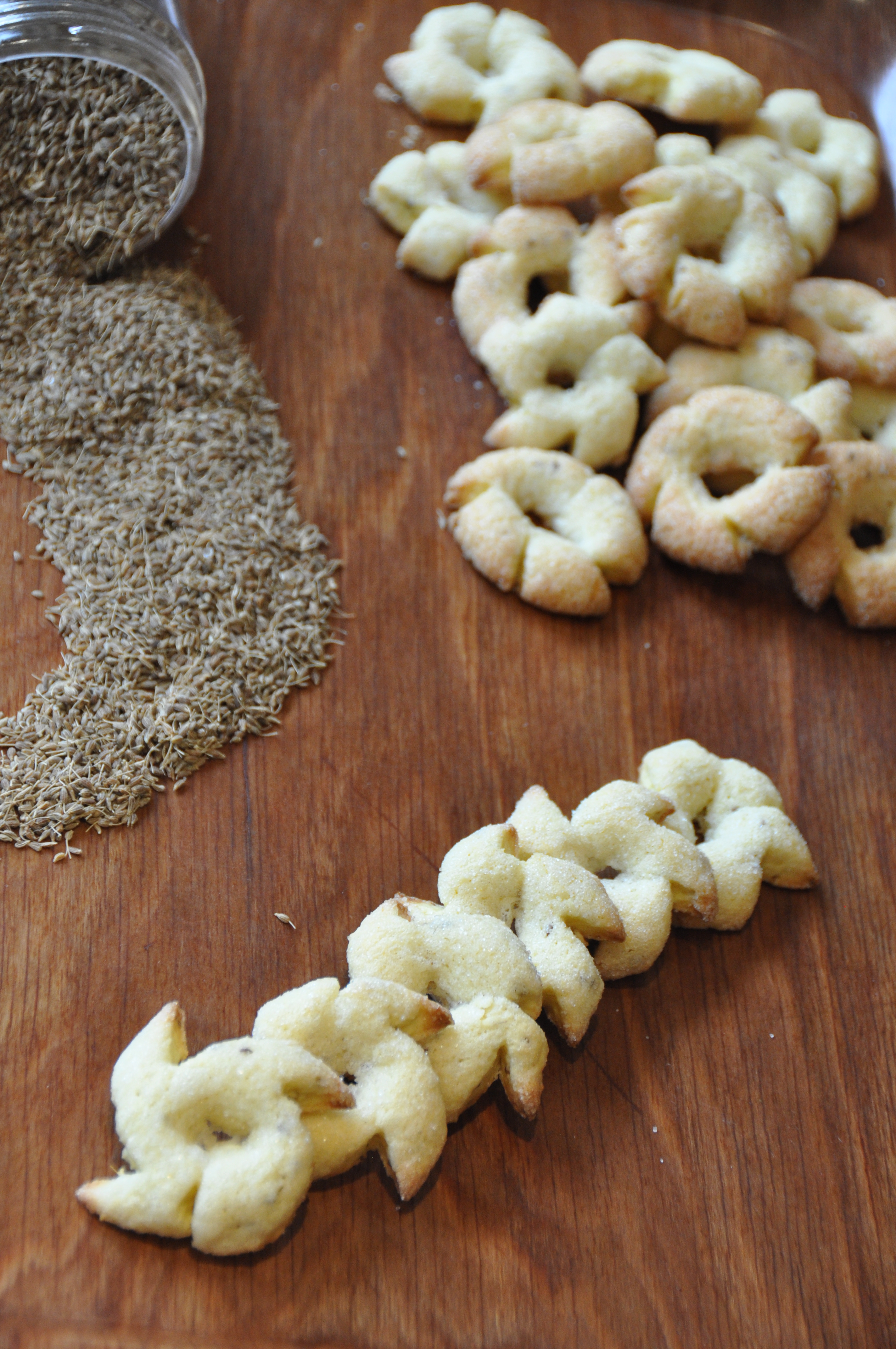
As Harold took a bite of Bavarian sugar cookie, he finally felt as if everything was going to be ok. Sometimes, when we lose ourselves in fear and despair, in routine and constancy, in hopelessness and tragedy, we can thank God for Bavarian sugar cookies.
- "Stranger Than Fiction" (2006)
Cookies (or biscuits, as they are commonly named in Great Britain) are comforting and versatile little baked gems that enlighten our day and offer us a unique gustatory experience. Because it comes in all shapes, colors, consistencies, flavors and
degrees of refinement, this extraordinary pastry is the ultimate snack food for
adults and children alike, one of the best gift items one can offer (when
homemade or artisanally produced, of course) and a quintessential part of any
teatime, coffee break or celebration.
Their universal popularity is undeniable and it is rare to find somebody who dislikes these flat, round, crispy and bite-sized cakes as they are incredibly appealing and virtually designed to please everyone. It makes perfect sense when you know that countless varieties are available around the world and that each country has its own word for this speciality (Kaak in Lebanon, Plätzchen or Keks in Germany, småkake in Norway, Galletas in Spain, Biscotti in Italy, Kurabiye in Turkey, Koekje in the Netherlands, etc...) as well as its own range of sweet or savory confections.
But, are you aware of their origins and the way they arrived in our latitudes? Well, cookies, as we acknowledge them nowadays*, saw the light of day in 7th century Persia (one of the first lands, after Bengal, to cultivate cane sugar and to use it as a common staple), were first brought to Medieval (14th century) Europe by the Muslim invaders and later to the Eastern Mediterranean and then to Northern Europe via the spice trade and the Crusaders who brought with them the cooking techniques and ingredients of Arabia. An extremely passionating topic as, once again, we realise how much our Western civilization owes to the East...
Having been precursors in this area, it is no wonder that the Middle East, Turkey and North Africa (mainly Algeria, Morocco, Tunisia and Egypt) produce some of the most pretty, tempting, exquisite and elegant cookies I have ever had the opportunity to savor. I am totally addicted to them as every bite you take puts you in a sensual trance and literally sends you to the heavens above.
After years of buying those ambrosial delicacies from gourmet stores, I have finally gathered enough courage to tackle the art of Arabic cookie-making at home and, until today, the results have been very encouraging, thus my Oriental baking repertoire is slowly, yet considerably widening.
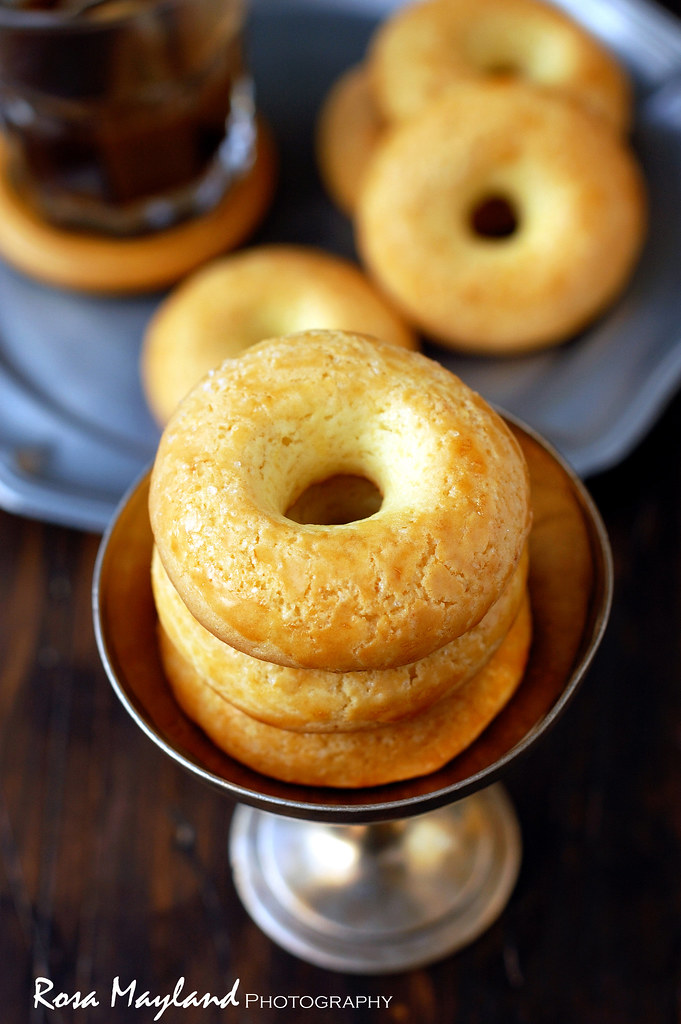
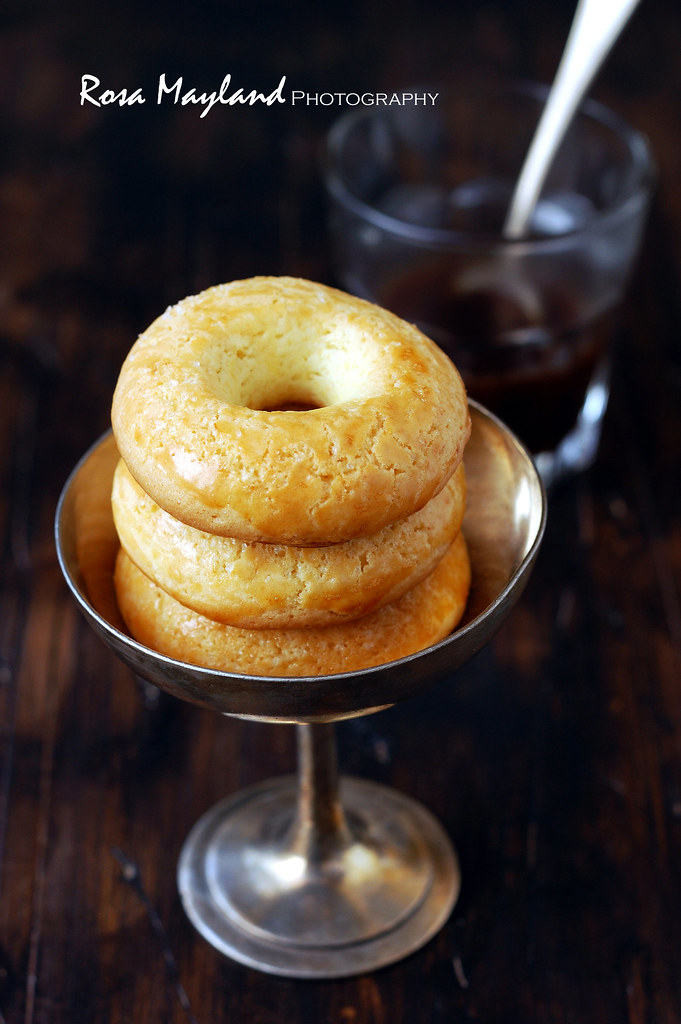
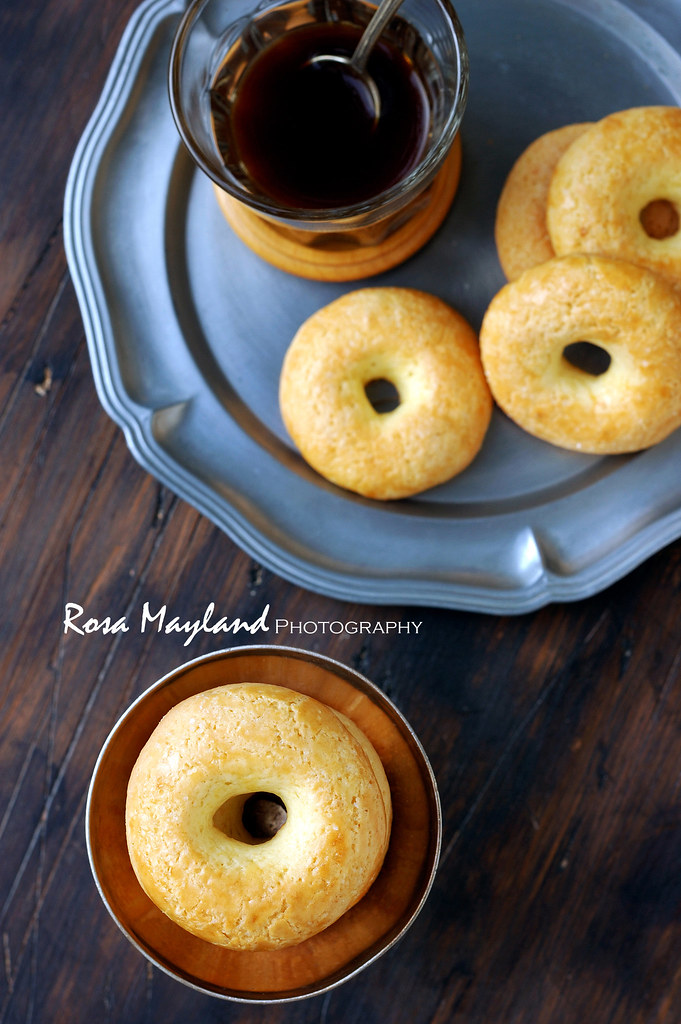
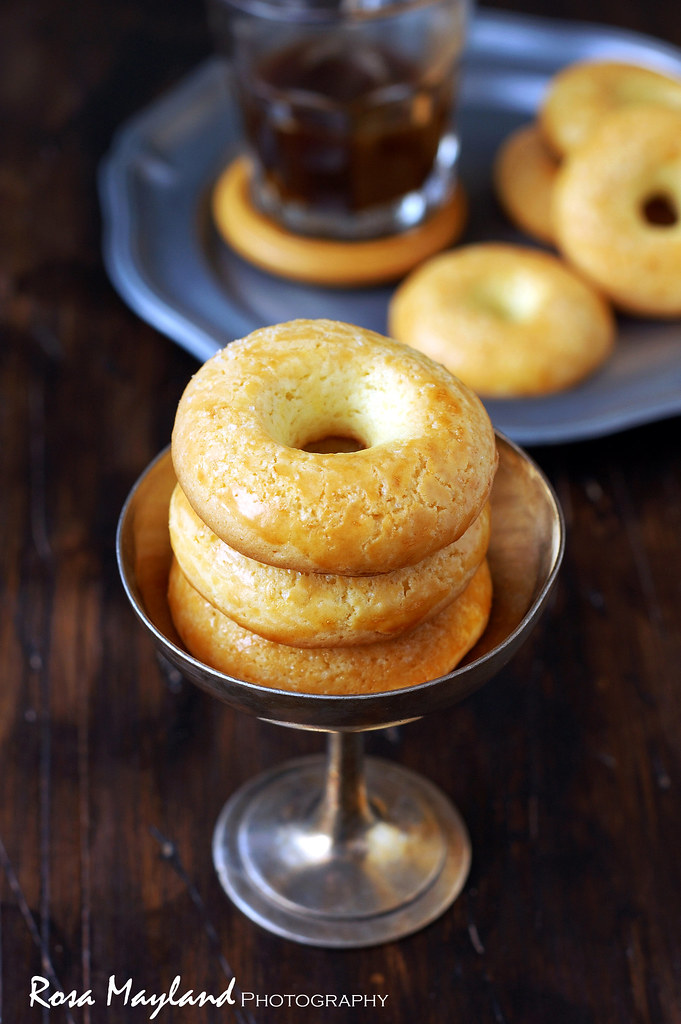
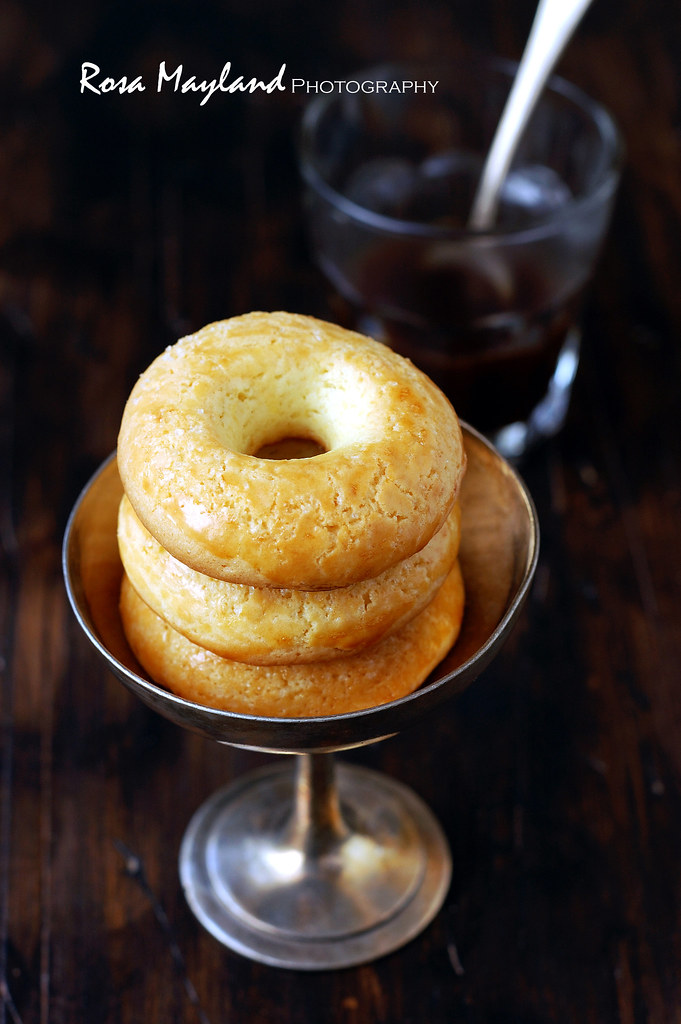
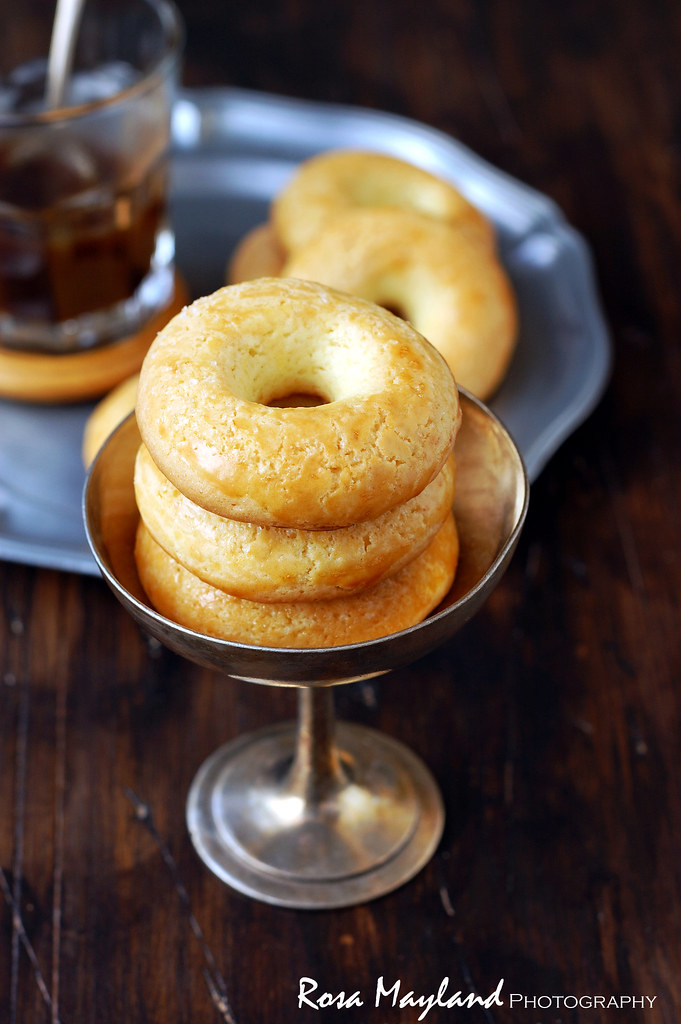
This naturally leads me to speak about my recent culinary discovery: "Twabaa", a traditional Algerian cookie which reminds me a bit of "Pains d'Anis (Anise Biscuits)" from the canton of Fribourg in Switzerland (a childhood favorite of mine) and which has completely stolen my heart. With its exhaliratingly citrusy aromas, luxurious olive oil fragrance, homely looks, delightfully crispy exterior and pleasantly dry texture it is impossible to resist this luscious treat. As a matter of fact, these "Algerian Lemon And Olive Oil Cookies" taste so good that you'll keep coming for more!
* The sweet and rich ones, not the hard and dry wafer-like ones which existed before the second half of Middle Ages and which we now call crackers.

You can find my recipe and article here, and if you have never heard of this lovely site, I highly encourage you to head over to Great British Chefs as the visit is definitely worthwhile!
Recipe freely adapted from "Recettes Gourmandes" and "Taste Of Beirut".
Makes about 30 cookies.
Ingredients:
3 Large eggs (~ 63g each)
1/2 Cup (105ml) Light olive oil
1 Cup (210g) Castor sugar
Zest of one organic lemon
1 1/2 Tsp Pure vanilla extract
2 1/2 Cups (320g) Unbleached all-purpose flour
1 Tsp Baking powder
A pinch of fine sea salt
1 Egg, beaten, for glazing
Extra castor sugar, for sprinkling
Method:
1. Preheat the oven to 180° C (350° F).
2. In a medium bowl, combine the flour, salt and baking powder. Set aside.
3. In the bowl of your stand mixer (using the whisk attachment), beat together the eggs and sugar for a few minutes or until thick, frothy and pale in color.
4. While beating, gradually add the oil, lemon zest and vanilla extract.
5. With the help of a spatula, incorporate the dry ingredients to the egg mixture until combined.

7. Place the dough balls on a baking sheet covered with parchment paper and poke in the middle with the handle of a wooden spoon (humidify it regularly so that it desn't stick to the dough) to form a hole that is about 1 1/2 cm/0.6in wide.
8. Brush the top of each cookie with the egg wash and sprinkle with the extra sugar.
9. Bake for 15 minutes or until the cookies are lightly golden.
10 Let cool on a wire rack.
Remarks:
You can replace the lemon zest with the zest of one organic orange and the vanilla extract with the same quantity of orange blossom water.
The cookies can be made ahead and stored in an airtight container in a cool place for up to 1 week.
Serving suggestions:
Serve with a cup of tea or coffee.
Recette librement adaptée de "Recettes Gourmandes" et de "Taste Of Beirut".
Pour environ 30 biscuits.
Ingrédients Pour Les "Biscuits":
3 Gros oeufs (~ 63g chacun)
105ml d'Huile d'olive légère
210g de Sucre cristallisé
Le zeste d'un citron bio
1 1/2 CC d'Extrait de vanille pure
320g de Farine blanche
1 CC de Poudre à pâte/lever
Une pincée de sel de mer fin
1 Oeuf, battu (pour le glaçage)
Sucre cristallisé (pour saupoudrer)
Méthode:
1. Préchauffer le four à 180 ° C.
2. Dans un bol moyen, mélanger ensemble la farine, le sel et la poudre à lever. Mettre de côté.
3. Dans le bol d'un batteur sur socle (en utilisant le fouet), battre ensemble les oeufs et le sucre jusqu'à ce que le mélange ait une couleur pâle et une consistance épaisse ainsi que mousseuse.
4. Tout en continuant de battre le mélange, ajouter graduellement l'huile, le zeste de citron et l'extrait de vanille.
5. A l'aide d'une spatule, incorporer les ingrédients secs au mélange d'oeufs jusqu'à obtention d'une consistance homogène.
7. Placer les boules de pâte sur une plaque à pâtisserie recouverte de papier sulfurisé. Enfoncer au milieu de chaque boule le manche d'une cuillère en bois au préalable humidifié (pour qu'il ne colle pas) et tourner pour agrandir le trou (environ 1 1/2 cm de diamètre).
8. Badigeonner le dessus de chaque biscuit avec l'œuf battu et saupoudrer avec le sucre.
9. Cuire au four pendant 15 minutes ou jusqu'à ce que les biscuits soient légèrement dorés.
10 Laisser refroidir sur une grille.
Remarques:
Le zeste de citron peut être remplacé par le zeste d'une orange bio et l'extrait de vanille par la même quantité d'eau de fleur d'oranger.
Conserver les biscuits dans une boîte hermétique, pendant pas plus d'une semaine.
Suggestions d'accompagnement:
Servir avec une tasse de thé ou de café.